The Colonial Era: New World Silver and Cultural Influences
Between the 16th and 18th centuries, the colonial era radically transformed the global silver economy. South American mines flooded Europe, creating new trade routes and generating cultural exchanges that enriched global jewelry—a upheaval whose effects are still felt in contemporary silversmithing.
The Context: The Conquest of America
In 1492, Christopher Columbus reached the Americas. Within decades, Spanish conquistadors discovered silver deposits of unparalleled richness in human history. Potosí (1545), Zacatecas (1546), Guanajuato—these mines would produce over 80% of the world's silver for two centuries, such a massive influx that it profoundly disrupted the European, African, and Asian economies. To place this period in the grand chronology of silver, consult our article on the history of 925 silver from antiquity to today, and for the central episode of this era, our article dedicated to Potosí, the silver mountain that changed the world.
An Influx that Reshapes the Global Economy
Between 1500 and 1800, Spanish America produced approximately 150,000 tons of silver—an unprecedented volume that caused the price of the metal in Europe to drop by nearly 50% between 1550 and 1650. This devaluation had significant social consequences: silver, once reserved for elites, gradually became accessible to European middle classes, paving the way for more widespread jewelry than before. But the most spectacular effect of this influx remained its geographical reach: silver extracted in Potosí crossed the Pacific aboard the Manila galleon, transited through the Philippines, and reached China, where it was exchanged for silks and porcelains. Economic historians agree that this was the first true global monetary system, linking the American, European, and Asian markets for the first time in history through a single raw material.
Pre-Columbian Goldsmithing, a Largely Lost Heritage
The Aztec, Inca, and Maya civilizations possessed an extraordinary goldsmithing tradition, largely unknown today due to a lack of surviving artifacts. Inca goldsmiths, in particular, mastered a technique that art historians now call "Andean champlevé," combining silver and copper-gold alloys (tumbaga) to create striking color effects on a single piece. Even the Spanish chroniclers, though not inclined to admire the cultures they conquered, described with palpable astonishment the fineness of the ritual figurines made of solid silver found in the temples of Cusco.
Unfortunately, almost all of this production was melted down by the conquistadors to be transformed into ingots for shipment to Spain. It is estimated that barely 1% of pre-Columbian goldsmithing survived this systematic melting organized by the Spanish Crown—an immense loss of heritage whose exact scale will never be known, and which remains one of the most documented cultural destructions in the history of global goldsmithing.
The Stylistic Blending of Colonial Workshops
Deprived of most original pieces, historians primarily rely on what was produced by the colonial workshops that followed the conquest. Colonial goldsmiths—often indigenous artisans forcibly trained by Spanish masters—created a unique mixed style, blending European motifs (Baroque, Renaissance) and indigenous elements (feathers, snakes, suns). This forced blending, born of a relationship of domination, nevertheless remains one of the very first examples of cultural globalization visible in a piece of goldsmithery: two visual vocabularies that should never have met, united in a single silver piece.
Colonial Spain simultaneously developed its own goldsmithing style—"plateresque," whose name comes directly from "plata," Spanish for silver. Inspired by metal lace, this style adorned the facades of churches and religious goldsmithery throughout colonial Latin America. The churches of Potosí, Lima, and Mexico City still preserve stunningly rich solid silver altars—some weighing several tons of precious metal, financed directly by mining exploitation.
American Silver, Catalyst for Exchanges with Asia
Beyond Europe, Potosí's silver fueled unprecedented trans-Pacific trade. In exchange for this metal, China exported silks, porcelains, and artisanal savoir-faire to America and Europe, which in turn influenced Western goldsmiths. Asian artisans gradually developed their own traditions working with this newly abundant American silver, giving rise to distinct goldsmithing schools that can be discovered in our article on Asian craftsmanship and its ancestral techniques.
The Impact on France and European Courts
The influx of colonial silver directly financed the great European courts, with France at the forefront. Louis XIV at Versailles commissioned furniture made entirely of solid silver—tables, gueridons, bedroom furniture—an unprecedented ostentation that attested to the new abundance of the metal on the European market. The French goldsmithing tradition that emerged from this prosperous era did not die with royalty: it was passed down and culminated two centuries later with the Christofle house, whose history you can discover in our article Christofle, the excellence of French silversmithing since 1830.
The End of the Colonial Era and the Standardization of Fineness
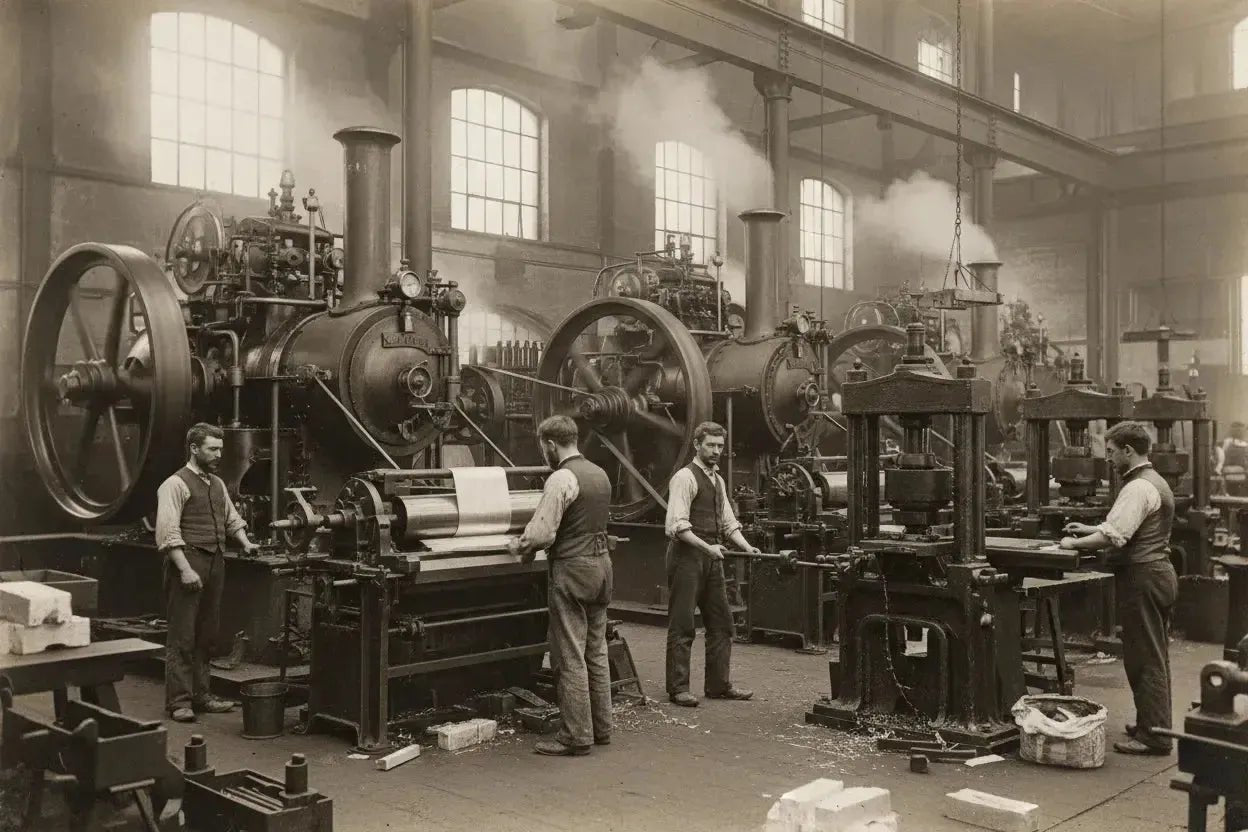
In the 19th century, the successive independences of American colonies profoundly reorganized global silver production, which diversified towards new deposits. The Industrial Revolution simultaneously standardized alloys and manufacturing processes. It was in this context that in 1851, the United Kingdom officially adopted the 925 standard as a legal standard—sterling silver thus became the global benchmark for silver goldsmithing, a standard that we perpetuate today in each of our creations. To delve deeper into this pivotal period, consult our article on the 19th century and the standardization of 925 silver.
The Colonial Heritage in Contemporary Jewelry
The cultural blending of the colonial era, as violent as the context that produced it may have been, has lastingly enriched global jewelry with motifs, techniques, and influences that endure today. At Vindicta, we are part of this long tradition of exchanges—Ottoman, Andalusian heritage, Art Deco—to create 925 silver jewelry that carries a true historical memory rather than simple decoration. Each piece we offer is certified solid 925 silver, verifiable on our authenticity page.
To continue this journey through the history of silver, find our article on the Renaissance, the golden age of goldsmithing, the episode directly preceding this colonial era, or continue with Art Nouveau and Art Deco, which conclude this grand cycle of silver history in the West.
✦ Vindicta — Solid 925 silver
The piece that makes the difference
Certified 925 silver · Free shipping from €69 · 10 years of excellence
Men's 925 Silver Signet Rings →