Bulgaria: The Thracian Heritage and Silver Filigree of the Balkans
Long before Bulgaria adopted its current name, ancient Thrace — which covered a large part of Bulgarian territory — was home to some of Europe's most skilled civilizations in precious metalwork. Two thousand five hundred years later, this same land gave birth to one of the finest schools of silver filigree in the Balkans, supported by mountain workshops that have remained active to this day. Between buried royal treasures, dowry jewels sewn onto wedding dresses, and a clear Ottoman influence, Bulgaria offers one of Europe's most continuous yet little-known silver heritage.
The Thracian Treasure, 2,500-Year-Old Gold and Silversmithing
The Panagyurishte treasure, discovered in 1949 and dated to the 4th century BCE, remains one of the best-preserved collections of ancient gold and silversmithing in the world: zoomorphic rhytons, amphorae, and gold cups bear witness to remarkable technical mastery. Silver held an equally central place in Thracian royal tombs, particularly around the Kazanlak necropolis, where numerous precious metal funerary pieces have been unearthed. This ancient heritage partly explains why precious metalwork remains, even today, a source of Bulgarian cultural pride, transmitted as a continuous thread from antiquity to contemporary workshops.
Tryavna and the Bulgarian School of Filigree
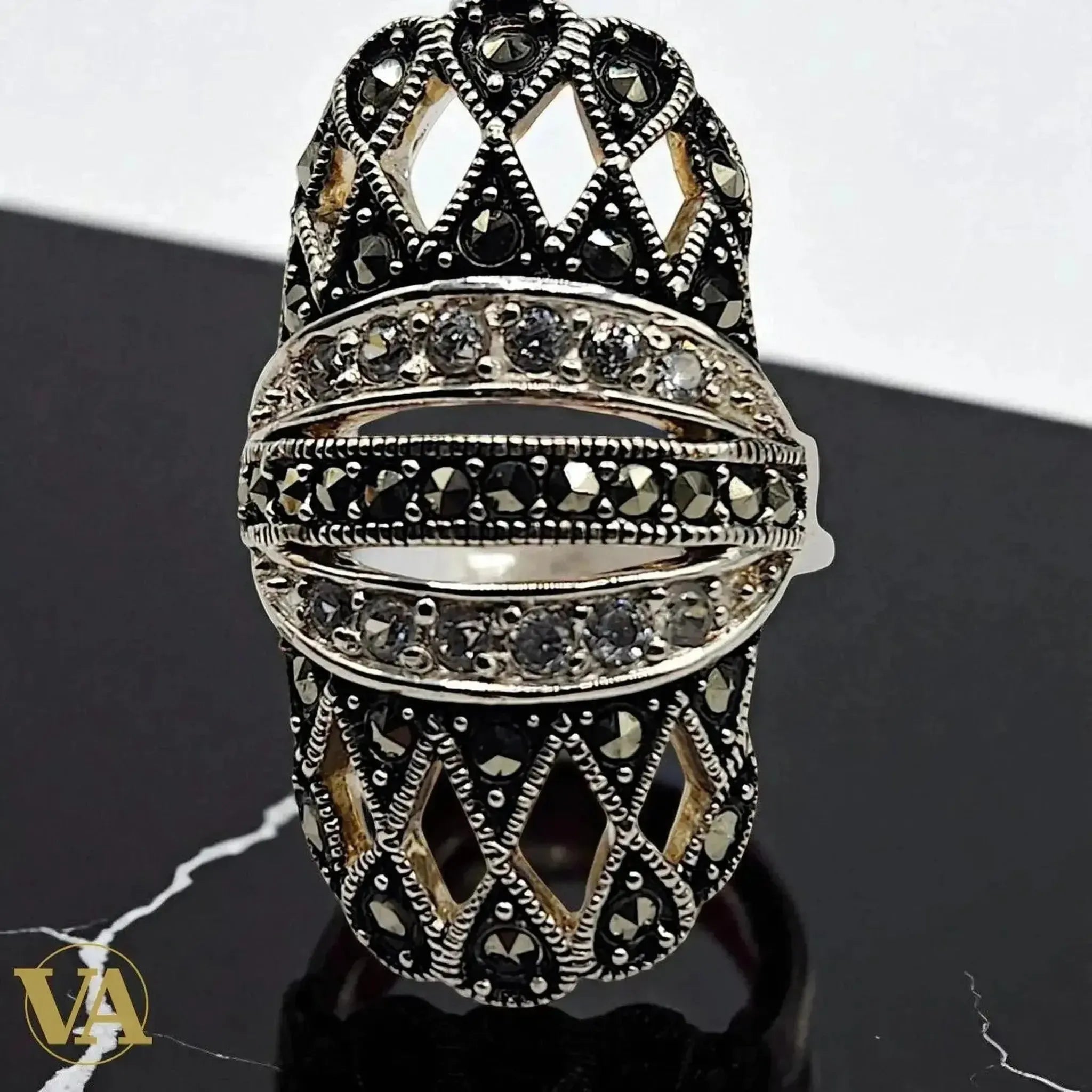
In the 18th and 19th centuries, the small town of Tryavna, in the foothills of the Balkan mountain range, became a center of excellence for silver filigree, alongside its renowned schools of woodcarving and icon painting. Artisans there produced belt buckles, ornate buttons, and dowry jewelry for young brides, in a very fine filigree style, often enriched with small silver beads — the granulation technique — which give relief and movement to the piece. This spirit of precious lace can be found in our openwork sterling silver rings, where the same quest for visual lightness prevails despite the density of the pattern.
Dowry Jewelry and Ottoman Influence
Under five centuries of Ottoman rule, Bulgarian gold and silversmithing absorbed influences from Istanbul, particularly in the traditional costumes of the Rhodope and Bulgarian Thracian regions, where young women wore true silver adornments and coins sewn onto their wedding attire. These dowry jewels were not mere ornaments: they constituted the visible savings of the family, worn on the body during special occasions, and passed down from mother to daughter through generations, sometimes for over a century without ever leaving the same family line. This link between jewelry and family transmission echoes what we discussed in our article on silver in Slavic civilizations, with whom Bulgaria shares a language and a large part of its cultural history.
The Valley of Roses and Floral Inspiration
It's impossible to mention Bulgaria without referring to its famous Valley of Roses, around Kazanlak, which has produced a large part of the world's rose oil since the 17th century. This rose cultivation naturally imbued the Bulgarian decorative imagination: the stylized rose motif adorns both traditional costumes and intricately carved silver jewelry offered during the annual Rose Festival in Kazanlak. This motif can be found, in a more contemporary vein, on our sterling silver earrings with floral finishes, where the flower remains a universal motif of softness and celebration, as relevant in Sofia as it is in Paris.
A Style That Endured the 20th Century Art Deco Period
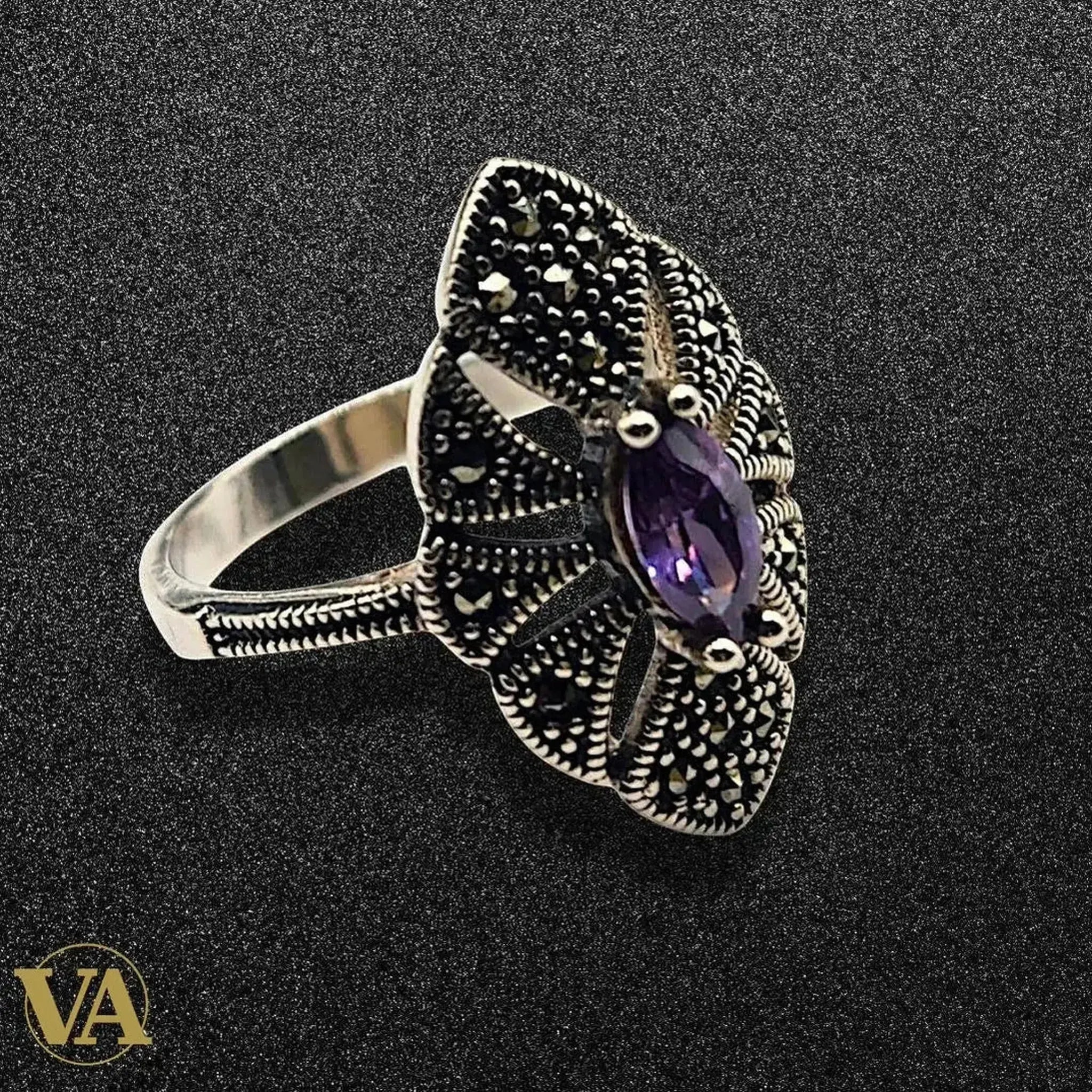
As in much of Eastern Europe, the interwar period saw traditional Bulgarian filigree merge with the more geometric lines of Art Deco, particularly in urban jewelry in Sofia worn by a new urban bourgeoisie who wanted to both assert their modernity and remain faithful to a decorative vocabulary inherited from the countryside. This encounter between centuries-old rural craftsmanship and urban modernity is a thread we have already explored in our article on marcasite and the Slavic style, where the same tension between tradition and modernism shapes Eastern European silver as a whole. The communist regime, starting in 1946, then nationalized part of the artisanal production, without however eradicating the family know-how passed down from generation to generation in the mountain villages.
Wearing Bulgarian Heritage Today
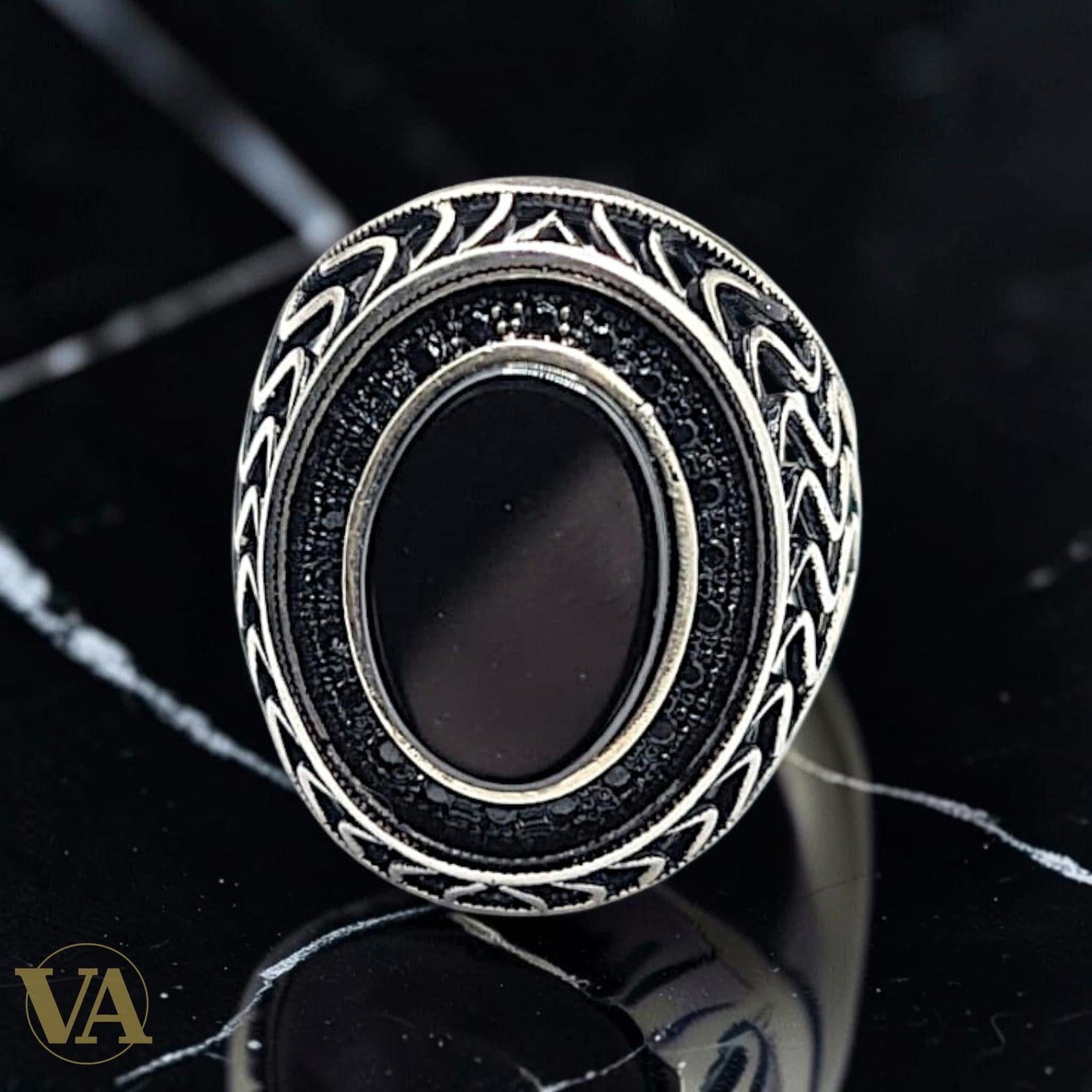
From Panagyurishte to the workshops of Tryavna, Bulgarian silver tells a story of rare continuity in Europe: a shared taste for meticulous metalwork, from the 4th century BCE to the dowry jewelry of the 19th century. Today, pairing a filigree ring with a delicate sterling silver bracelet is enough to evoke this Balkan elegance without excess. To extend this exploration of Eastern European gold and silversmithing, our guide to ring sizes in Europe and our overview of signet rings inspired by Eastern European traditions complete this journey through the Balkans.
✦ Vindicta — Solid 925 silver
The piece that makes the difference
Certified 925 silver · Free shipping from €69 · 10 years of excellence
Discover our jewellery →