Serbia: Balkan Silver Between Byzantine Heritage and Ottoman Traditions
At the crossroads of the Byzantine, Ottoman, and Austro-Hungarian worlds, Serbia has developed silver craftsmanship that blends several traditions, a heritage rarely highlighted outside the Balkans themselves. From medieval Orthodox monasteries to the filigreed belts of traditional costumes, Serbian silver tells a story of cultural resilience and continuous artisanal transmission across centuries.
The Medieval Heritage of Orthodox Serbia
From the 12th to the 14th century, under the Nemanjić dynasty, medieval Serbia experienced an artistic golden age, driven by great Orthodox monasteries—Studenica, Sopoćani, Dečani. These places of worship housed religious silversmith workshops where silver was used to create processional crosses, reliquaries, and illuminated manuscript covers. This liturgical silverwork, influenced by Byzantine techniques, laid the groundwork for a craftsmanship that would enrich secular jewelry in subsequent centuries. Monk silversmiths passed down their art from master to apprentice according to very strict rules, ensuring a technical continuity that still runs through Serbian craftsmanship today.
Wedding Adornments and Silver as Dowry
In traditional rural Serbia, silver wedding adornments were one of the central elements of a woman's dowry. Earrings, necklaces of sewn silver coins, and rings were collected from childhood by the future bride's family, piece by piece, to form a complete set on the wedding day. These adornments were not only decorative: they represented real family savings, ostentatiously worn during ceremonies to testify to the household's prosperity. In some regions like Mačva or Timok, these adornments were so imposing that they could represent several hundred grams of silver worn simultaneously—on the ears, around the neck, and on the chest, in a display of silverwork that few other European traditions have pushed so far.
Filigreed Belts and Buckles of Traditional Costumes
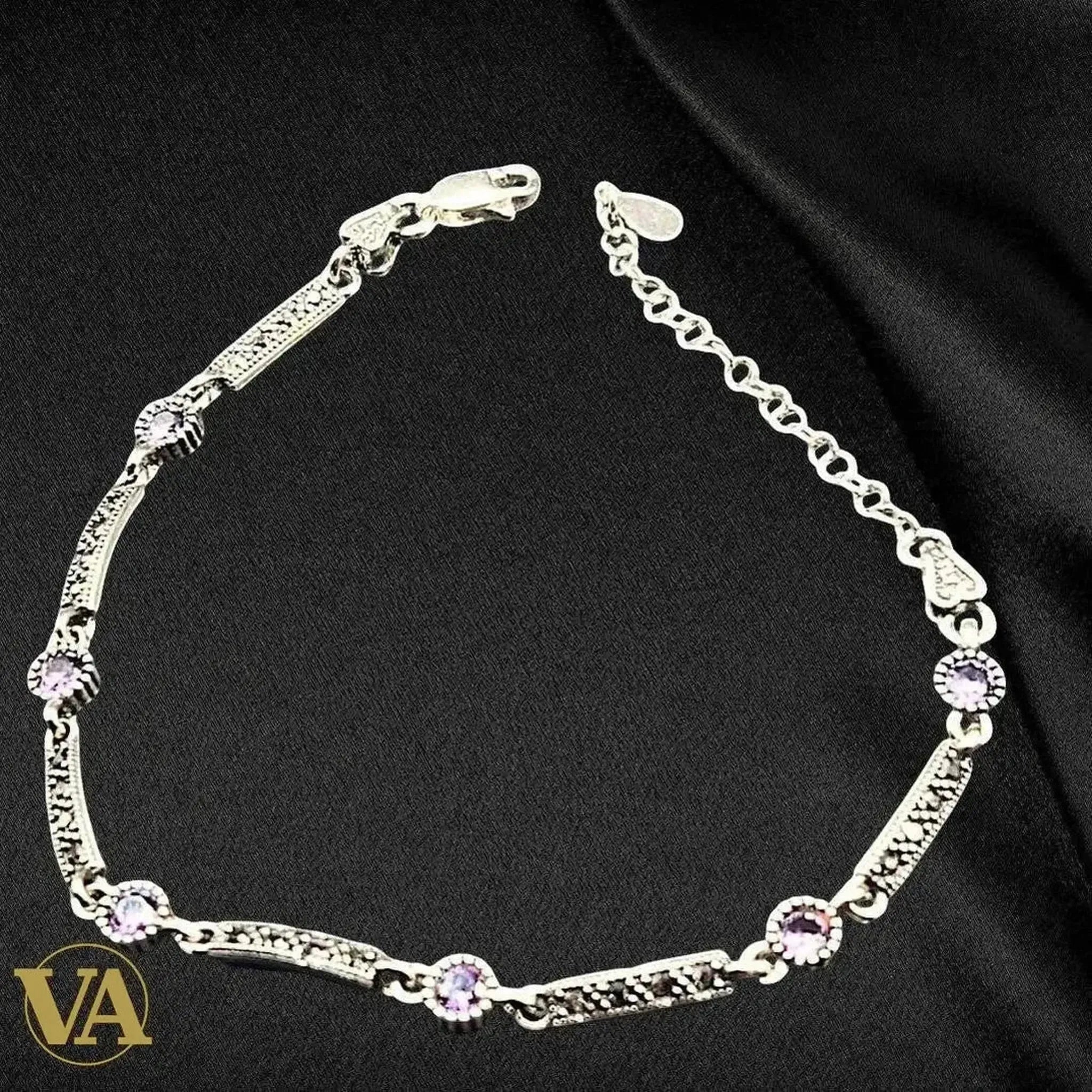
The traditional Serbian costume, which varies greatly from one region to another—from Šumadija to Vojvodina, including historical Kosovo—gives a central place to wide, intricately carved silver belts and elaborate buckles. These pieces, often passed down from mother to daughter, combined practical function and affirmation of social status: the more finely crafted the belt, the more it testified to the family's wealth and rank. This spirit of structural piece is found in our 925 silver bracelets with intricate finishes, where metal becomes both ornament and personal signature.
Novi Pazar and the Ottoman Filigree Heritage
In southwestern Serbia, the city of Novi Pazar has long been a renowned silversmith center, a direct heir to centuries of Ottoman presence in the region. Artisans there perpetuated fine filigree, similar to that practiced in Istanbul or Sarajevo, used for dangling earrings, round brooches, and pendants with stylized floral motifs. This technical proximity to Ottoman silverwork reminds us how much the Balkans, despite their cultural and religious diversity, share a common decorative vocabulary forged by centuries of exchange. Even today, a few family workshops in the city continue this artisanal know-how passed down from father to son for several generations.
The Double-Headed Eagle Motif
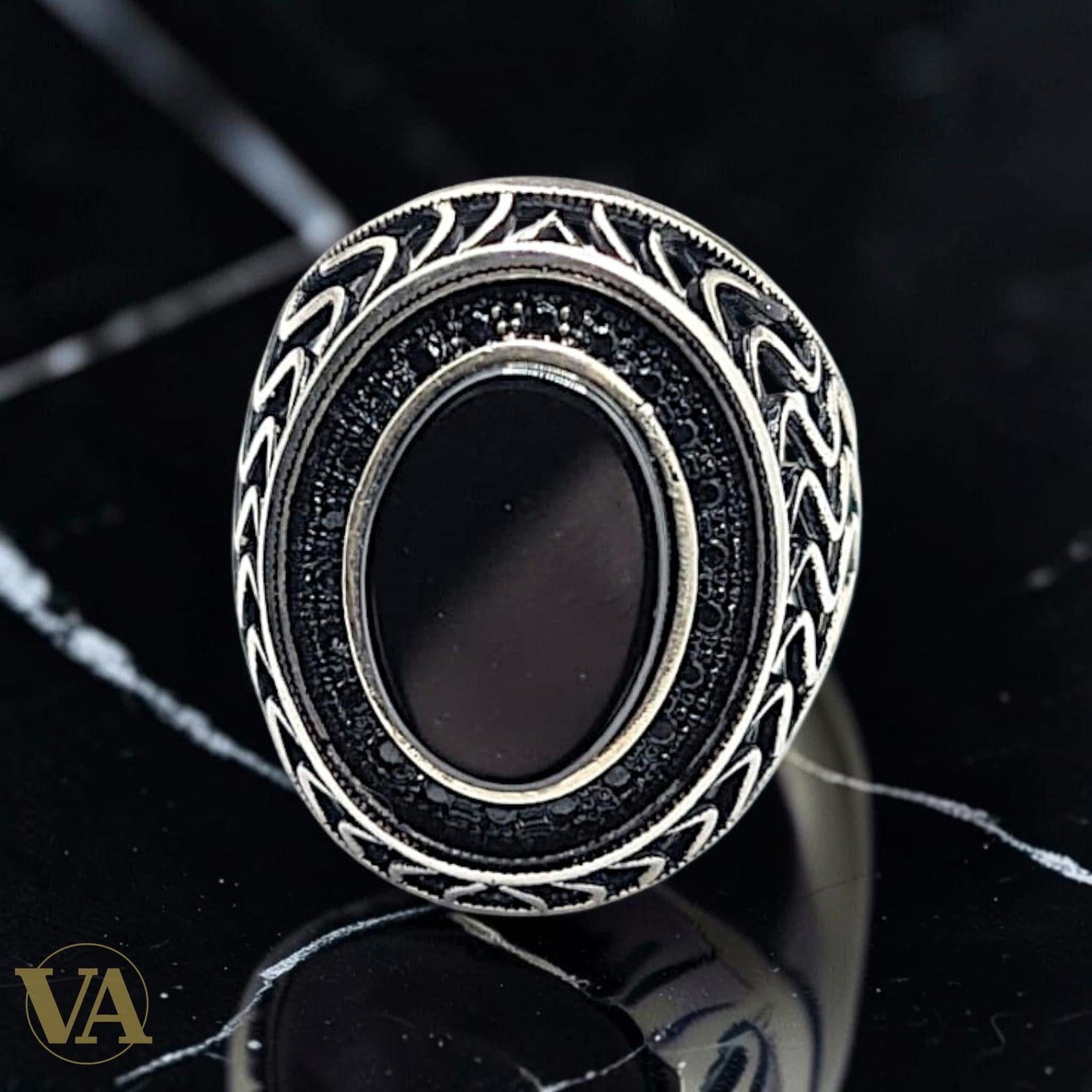
A symbol inherited from Byzantium and adopted by several Orthodox Balkan dynasties, the double-headed eagle is among the most recognizable motifs in traditional Serbian silverwork. Engraved on belt buckles, seals, or signet rings, it symbolized both spiritual and temporal authority. Even today, this motif adorns some contemporary Balkan jewelry pieces, testifying to the permanence of centuries-old iconography—a heritage found, in a more refined form, on our 925 silver signet rings.
Vojvodina Silverwork and Austro-Hungarian Influence
To the north, Vojvodina—long integrated into the Austro-Hungarian Empire—developed jewelry closer to Central European standards, with more sober silver pieces, often stamped with official hallmarks according to the Viennese tradition. This dual influence, Ottoman in the south and Central European in the north, makes Serbia a unique case in the Balkans: a territory where two great traditions of silverwork meet and sometimes blend within the same piece.
The Serbian Cross with Four Firesteels
The Serbian Orthodox cross, surrounded by four inverted C-shaped symbols (often interpreted as firesteels or Cyrillic letters), is one of the most widely worn religious and identity symbols in silver in the country. Engraved on pendants or rings, it accompanies the major stages of Orthodox religious life—baptism, marriage, pilgrimage. Its refined geometry, made of straight lines and perfect symmetry, integrates naturally into a contemporary aesthetic.
Wearing Serbian and Balkan Heritage Today
From the medieval monasteries of Šumadija to the filigreed workshops of Novi Pazar, Serbian silver carries the memory of a territory crossed by several empires without ever losing its own voice. Associating an intricately carved piece with a delicate 925 silver bracelet is enough to evoke this richness without ostentation, while paying homage to centuries of craftsmanship passed down from generation to generation across the Balkans. To further explore Balkan silverwork, our article on Bulgarian Thracian heritage and our ring size guide in Europe complete this journey through the Balkans.
✦ Vindicta — Solid 925 silver
The piece that makes the difference
Certified 925 silver · Free shipping from €69 · 10 years of excellence
Discover our jewellery →