

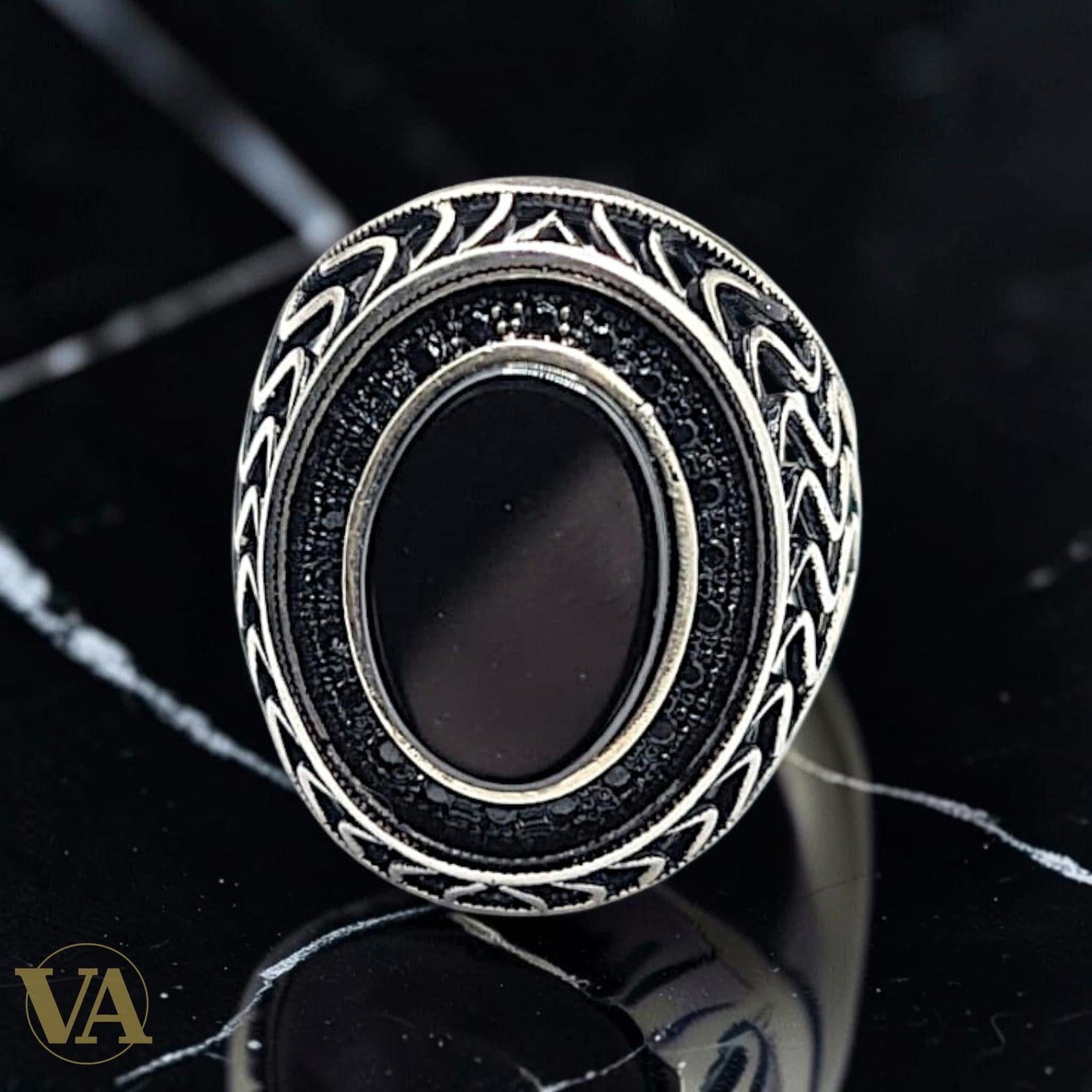
Romania: Carpathian Gold Between Byzantium and Peasant Tradition
Between the wooded Carpathians and the plains of the Danube, Romania occupies a unique position in European goldsmithing: heir to Byzantium through its Orthodox religion, marked by five centuries of Ottoman suzerainty, and traversed by a peasant tradition of embroidered costume and silver jewelry that remained vibrant until the 20th century. This crossroads of influences gave rise to goldsmithing that was both scholarly and popular, from buried Dacian treasures to costume jewelry from the Maramureș and Oltenia regions.
The Dacian heritage, a people of goldsmiths before Rome
Even before the Roman conquest of the 2nd century, the Dacians who populated present-day Romania were renowned for their mastery of precious metalwork. The Dacian bracelae — these large, spiral gold bracelets ending in a serpent's head — discovered in the Orăștie mountains are among the most spectacular ancient goldsmithing pieces in Europe. Silver, more accessible than gold, was worked using similar techniques for women's adornments and the fibulae that fastened clothing. This ancient mastery of spiral metal left a lasting imprint on the Romanian decorative vocabulary, where the volute remains a recurring motif even today.
The Pietroasele treasure, a Visigothic jewel on Romanian soil
Discovered in 1837 near Pietroasele, a spectacular treasure dating from the 4th century blends Gothic and late Roman influences in a set of gold goldsmithing pieces popularly known as "Cloșca cu puii de aur" (the hen with the golden chicks) — an emblematic piece now preserved at the National Museum of Romanian History in Bucharest. Even if gold dominates this treasure, the techniques of setting semi-precious stones and granulation that accompany it are found in later Romanian popular silverware, particularly in the fibulae and belt buckles worn by rural populations of the Carpathians. This archaeological testimony recalls how much Romanian territory has always been a crossroads for the circulation of precious metals between Central Europe, the Pontic steppes, and the Mediterranean world.
The Byzantine and Orthodox influence
With the Orthodox Christianization of the Romanian principalities from the 14th century onwards, Byzantine religious goldsmithing deeply marked local workshops: icons set with silver, chiseled pectoral crosses, reliquaries adorned with geometric motifs reminiscent of Constantinopolitan enamels. The monasteries of Moldavia, with their UNESCO-listed exterior frescoes, were also active centers of liturgical goldsmithing production, training artisans whose technical expertise then flowed into the secular jewelry of the surrounding towns. This precision in design is reflected in our 925 silver necklaces with elaborate pendants, where the fineness of the engraving owes as much to this religious tradition as to secular goldsmithing.
Peasant costume and its silver adornments
Each Romanian region developed its own vocabulary of traditional jewelry, worn with the ie — the emblematic embroidered shirt of Romanian costume. In Maramureș, a mountainous northern region that remained isolated for a long time, women wore large silver-studded belts and dangling earrings with stylized floral motifs. In Oltenia and Wallachia, the Ottoman influence was more evident in head adornments laden with sewn silver pieces, reminiscent of neighboring Balkan traditions. This regional diversity, comparable to that found in traditional Bulgarian costume, makes Romania a mosaic of styles rather than a single school.