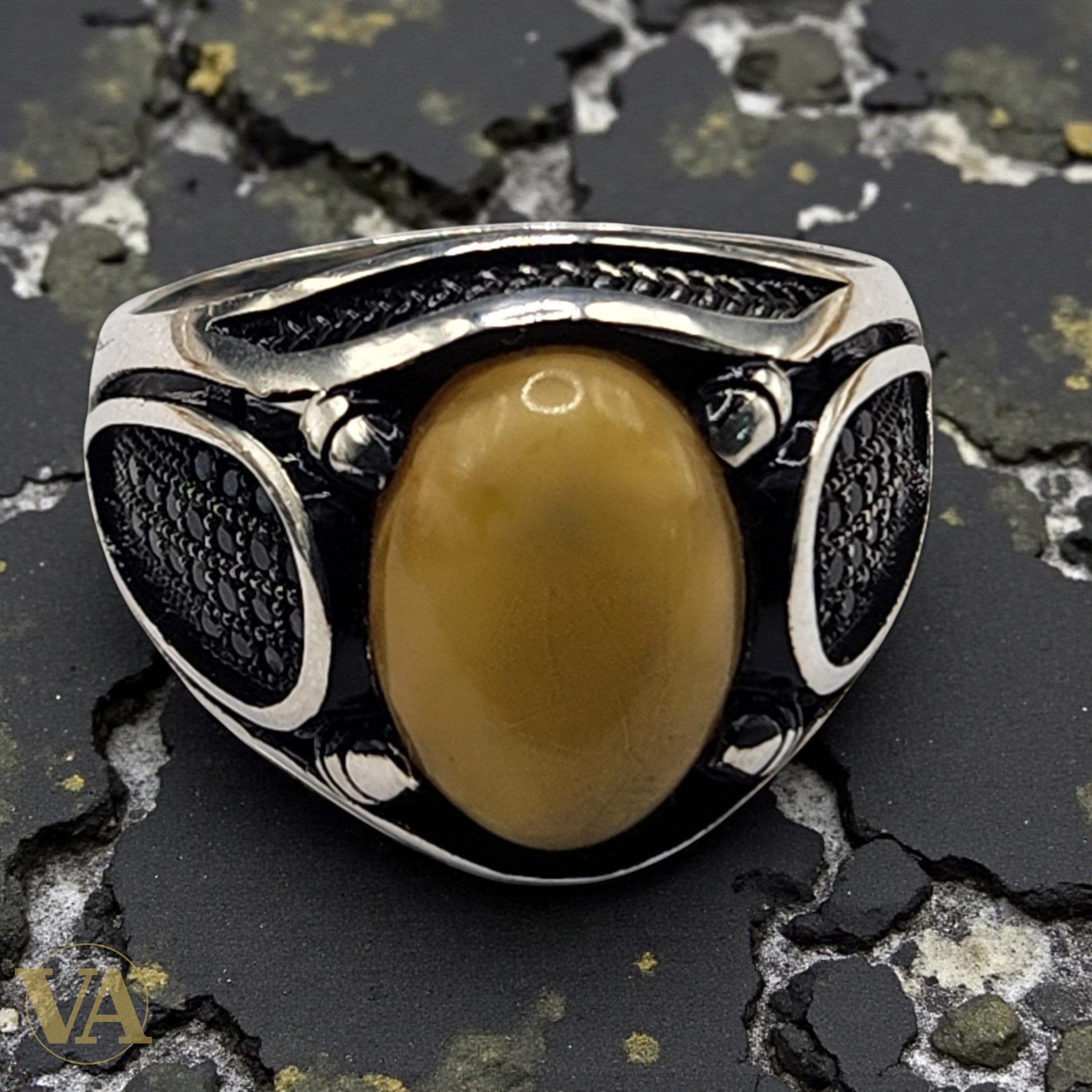
Article: Croatia: The Silver of the Adriatic Between Venetian Heritage and Slavonian Tradition
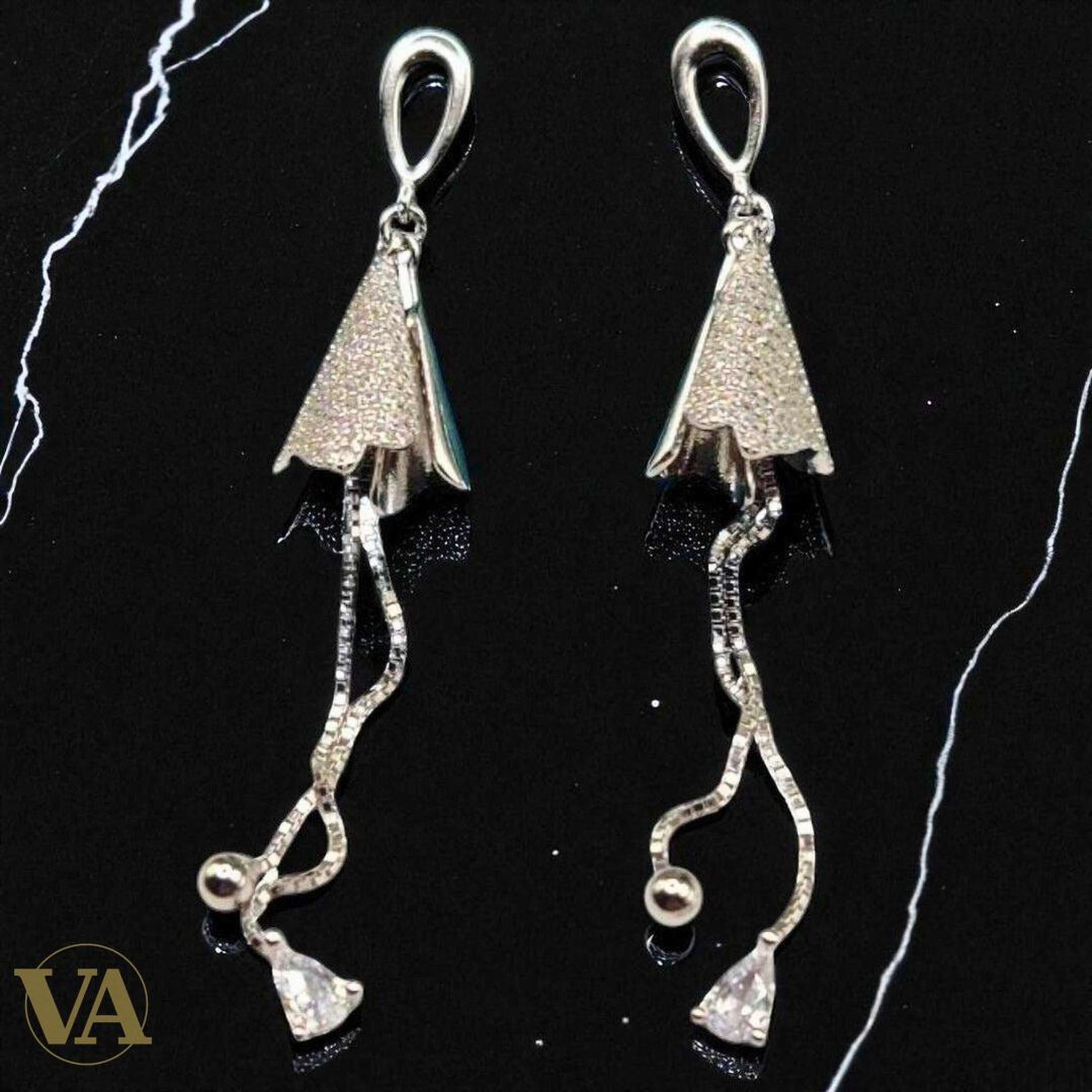
Croatia: The Silver of the Adriatic Between Venetian Heritage and Slavonian Tradition
Between the Adriatic and the Dinaric Mountains, Croatia has developed a silver craft tradition marked by centuries of Venetian presence on the coast and a continental peasant tradition that has remained faithful to its own decorative codes, all within a relatively small territory but with remarkable regional diversity. From Dalmatian filigree inherited from Venice to traditional costume buttons from inland Slavonia, Croatian silver tells a story of two coasts, two worlds, and a shared passion for worked metal.
Dalmatian Filigree and the Venetian Heritage
For more than four centuries, the Dalmatian coast — from Zadar to Dubrovnik — was under Venetian rule, which profoundly influenced its local silversmithing. Artisans in towns like Kočarevo or Pag developed a very fine silver filigree, similar to that practiced in Venice, used for dangling earrings in the shape of clusters or stylized flowers. This craftsmanship, passed down from workshop to workshop for generations, remains today one of the most recognizable signatures of Croatian coastal jewelry.
Zadruge and Jewelry as Family Savings
In rural Croatia, the zadruga — an extended family community bringing together several generations under one roof — collectively managed a common heritage in which silver jewelry held a significant place. Necklaces, earrings, and intricate buttons constituted a true store of value, passed down from generation to generation and sometimes mobilized in case of economic hardship. This social organization, specific to the Western Balkans, partly explains why so many ancient silver pieces have survived intact to this day, carefully preserved within families.
Dubrovnik, Merchant Republic, and Prestige Silversmithing
The Republic of Ragusa (Dubrovnik), independent until 1808, maintained dense trade relations with the entire Mediterranean basin and had its own guilds of silversmiths, governed by strict statutes guaranteeing the quality of the worked silver. Pieces produced in Dubrovnik were renowned throughout the Adriatic for their fine execution, mixing Byzantine, Ottoman, and Italian influences in a style unique to the republic. This demand for refinement is reflected in our 925 silver rings with meticulous finishes, heirs to this Mediterranean tradition of precise metalwork.
The Dalmatian Islands and their Distinctive Costumes
Each island on the Dalmatian coast — Hvar, Korčula, Brač — developed its own style of traditional costume accompanied by distinct silver jewelry, often designed to be worn during religious processions and patron saint festivals. In Hvar, finely engraved silver belt buckles recall the influence of Venetian silversmiths, while in Korčula, necklaces of sewn silver coins evoke similar traditions observed further south in the Balkans. This island diversity, concentrated in a relatively small territory, makes Dalmatia a true living museum of popular Adriatic silversmithing.
Silver Buttons of the Slavonian Costume
In the hinterland, in Slavonia and northern Croatia, traditional men's costumes are distinguished by rows of finely carved silver buttons, sewn along the waistcoat or wool coat. The number and quality of these buttons indicated the social status of their owner — a wealthy peasant could display dozens of them, transformed into a veritable decorative armor. This tradition of intricate buttons, distinct from the more common female adornment elsewhere in Eastern Europe, makes continental Croatia a special case in the panorama of Balkan silversmithing.
The Cravat, Croatian Invention in Silk and Silver
A little-known fact outside of Croatia: the modern cravat (tie) originated directly from the scarf worn by Croatian mercenaries serving in France in the 17th century, whose name evolved in French from "Croates" to "cravates." While the accessory itself is not made of silver, the elaborate tie pins that accompanied it from the 19th century became a classic of Croatian men's jewelry, often engraved with floral motifs or family coats of arms. This historical detail, long anecdotal, is now claimed as a source of national pride.
Red Coral from the Adriatic
The Croatian coast, particularly around the island of Zlarin, has long been renowned for the fishing and working of red coral, mounted on silver to form necklaces, earrings, and rings highly prized throughout Central Europe. This association of Mediterranean coral and silver creates a warm contrast similar to that of Baltic amber further north, with each European region having developed its own emblematic natural material to associate with white metal. We find this Mediterranean spirit in our 925 silver necklaces with colorful pendants, where natural stone warms the metal's sparkle.
Wearing the Croatian Heritage Today
From Dalmatian filigree to Slavonian buttons, and the tie pin inherited from 17th-century mercenaries, Croatian silver carries the memory of a country with a dual Mediterranean and continental identity, made of cultural overlays rarely equaled in such a confined territory. Pairing a filigree ring with a coral pendant is enough to evoke this understated richness. To further explore the silversmithing of Eastern Europe and the Balkans, our article on Serbian and Balkan heritage and our guide to ring sizes in Europe complete this journey across the continent.
✦ Vindicta — Solid 925 silver
The piece that makes the difference
Certified 925 silver · Free shipping from €69 · 10 years of excellence
Discover our jewellery →