Coral: Properties, Virtues and Jewelry
Focus on Coral
Table of Contents
- Introduction
- Characteristics of Coral
- History and Symbolism
- Varieties of Coral
- Meaning and Virtues
- Origins Around the World
- Coral Jewelry at Vindicta
- The Vindicta Perspective
- Care and Advice
- Stones to Discover
- Frequently Asked Questions
- Conclusion
Introduction
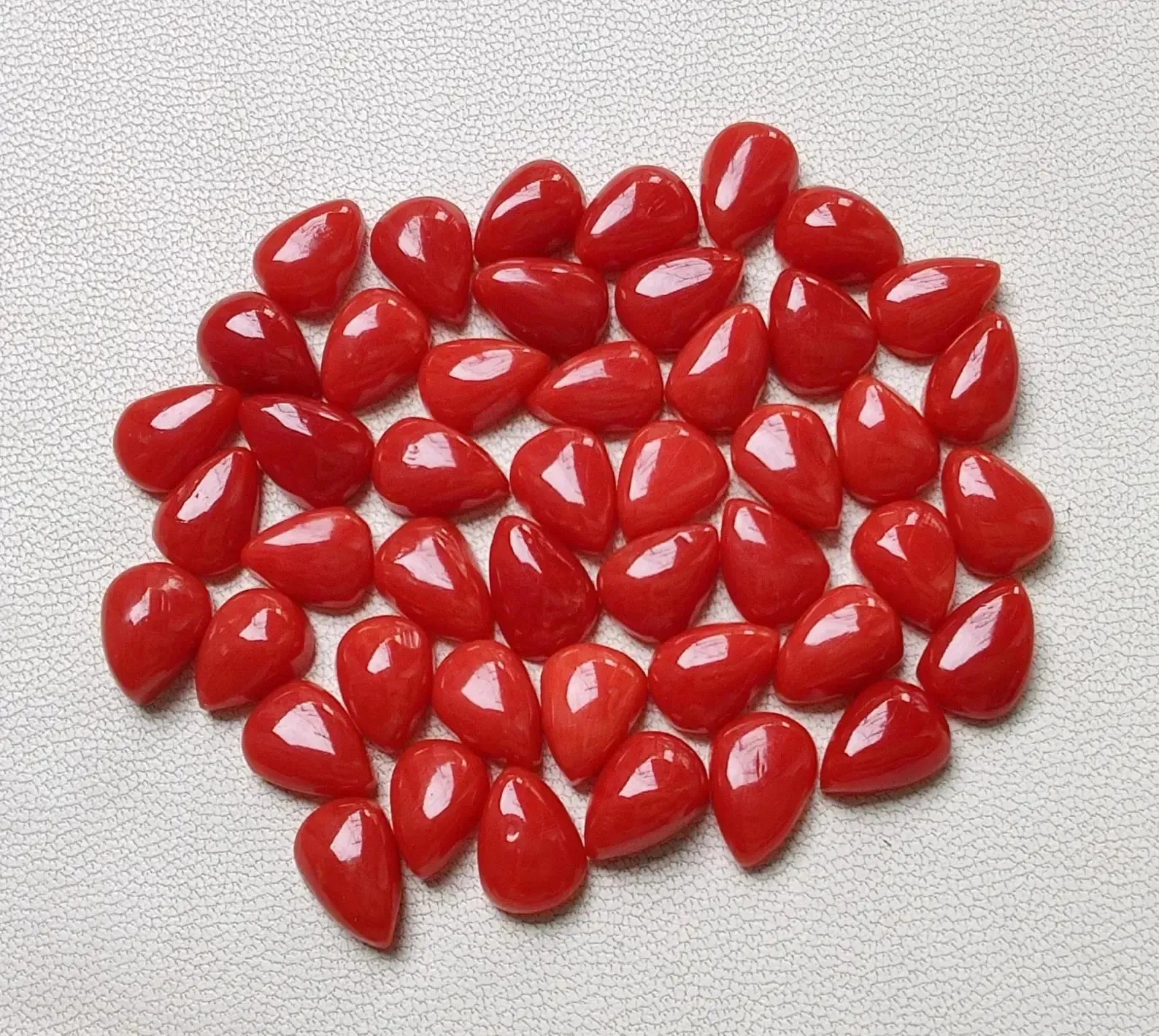
Coral is one of the oldest organic materials and one of the most symbolically rich in human jewelry. It is not a stone — it is the calcareous skeleton of colonies of marine polyps, living organisms that build their structures over thousands of years. Its intense red-orange color — ranging from pale pink to deep blood red — makes it one of the most recognizable and desired materials in jewelry.
Coral is a living material that has become jewelry — or rather, the millimeter-by-millimeter built calcareous trace of marine life. Each piece of coral represents decades, sometimes centuries, of slow growth in the depths of the sea. This organic and marine origin gives it a unique symbolic dimension — both living and eternal. Combined with solid 925 silver, it creates jewelry of unparalleled marine warmth and depth.
Characteristics of Coral
Composition and Structure
- Type: organic material (calcareous skeleton of marine polyps, CaCO₃)
- Color: red to pink (red coral), white, black, blue (depending on the species)
- Appearance: opaque, waxy to vitreous luster after polishing
- Structure: fibrous and concentric, without a regular crystalline structure
Hardness and Resistance
- 3 to 4 on the Mohs scale — relatively soft material
- Very sensitive to acids (even vinegar slowly dissolves it)
- Sensitive to heat, chemicals, and desiccation
Physical Properties
- Density: 2.60 to 2.70
- Transparency: opaque
- Cleavage: absent (irregular fracture)
History and Symbolism of Coral
Coral is one of the oldest materials used by humanity in jewelry and amulets. Coral ornaments have been found in prehistoric European sites dating back over 25,000 years — among the oldest adornment objects ever discovered. Coral was already an object of fascination and trade in the Stone Age.
In Greek mythology, coral was born from Medusa's blood. When Perseus severed the Gorgon's head and placed it on marine algae, the blood that flowed transformed into red coral. This legend gave coral a heroic and magical dimension — born from the blood of a monster vanquished by a hero, it was naturally associated with protection and victory over evil forces.
In ancient Rome, coral was considered a powerful protective talisman for children. Roman babies wore red coral amulets to protect them from the evil eye and diseases. This tradition persisted for centuries throughout the Mediterranean — in Italy, Spain, Greece, and North African countries, babies still wear coral amulets today.
In Islamic and Ottoman tradition, coral (مرجان, marjan) is mentioned in the Quran (Surah Al-Rahman, verse 22) as one of the wonders of the sea created by God. This Quranic reference gives it a unique sacred dimension in Islamic tradition. Ottoman jewelers used it extensively in prestige jewelry — rings, necklaces, bracelets — often combined with silver and gold. Ottoman sultans owned valuable coral collections.
In Berber and North African tradition, red coral is the bridal stone par excellence. Berber wedding ornaments — necklaces, tiaras, fibulae — are traditionally adorned with red coral, a symbol of fertility, protection, and prosperity. This tradition is directly rooted in the cultural identity of the Maghreb.
In Asia, red coral was considered one of the seven precious jewels of Buddhism, alongside gold, silver, rock crystal, pearl, ruby, and emerald. Tibetan monks and lamas wore red coral rosaries as a symbol of compassion and wisdom.
Varieties of Coral
- Red Coral (Corallium rubrum): the most famous and precious, red to pink, exclusively Mediterranean and deep Atlantic
- Japanese Red Coral (Corallium japonicum): intense red, found in deep Pacific waters, highly prized in Asia
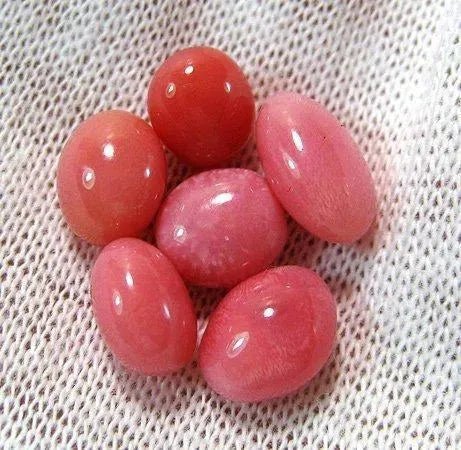
- Pink Coral (Corallium elatius): pale pink to salmon, softer and more feminine than red
- White Coral (Corallium konojoi): pure white, used in jewelry and often dyed
- Black Coral (Antipatharia): deep black, used in traditional jewelry in some regions
- Blue Coral (Heliopora coerulea): rare blue-gray, found in the Indian Ocean and Pacific
Meaning and Virtues of Coral
Emotional & Spiritual Level
- Protection & life ❤️: a universal protective talisman for millennia, especially for children and pregnant women
- Vitality: associated with vital energy, strength, and health
- Fertility: symbol of fertility and fruitfulness in many Mediterranean and African cultures
- Evil Eye: protection against the evil eye (nazar) in Mediterranean and Islamic traditions
- Root Chakra: its intense red color associates it with the Muladhara chakra, strengthening grounding and vitality
Physical Level (lithotherapy beliefs)
- Associated with strengthening the bone system and general health
- Used to stimulate blood circulation and vitality
- Considered a general healing material in many Mediterranean traditions
Note: the virtues of lithotherapy are not scientifically proven and do not replace medical advice.
Origins of Coral in the World
Jewelry-quality coral comes from specific marine areas, often protected by strict regulations:
- Mediterranean (Sardinia, Corsica, French Riviera, Morocco, Algeria, Tunisia): historical cradle of red coral (Corallium rubrum), exceptional jewelry quality, strictly regulated production
- Atlantic (coasts of Morocco, Azores, Canary Islands): high-quality red coral, deep waters
- Japan, Taiwan: Pacific red coral (Corallium japonicum), highly prized in Asia
- Hawaii (United States): high-quality pink and red coral, limited and regulated production
Coral Jewelry at Vindicta
Coral, with its warm red-orange color and soft texture, naturally combines with solid 925 silver to create jewelry of unique marine warmth and depth. The contrast between the intense red of coral and the silvery luster of the metal is immediately striking — an association that spans cultures and eras.
At Vindicta, we work exclusively with certified natural coral — undyed, unreconstituted, from regulated sources. The question of coral origin and sustainability is central to our approach — we reject any coral whose origin cannot be traced.
Discover also our 925 silver natural stone jewelry collection.
The Vindicta Perspective
Coral is the material that raises the most ethical questions for us. It is a living material — or rather, the trace of marine life — and its exploitation raises legitimate environmental concerns. Coral reefs are among the most threatened ecosystems on the planet, and jewelry coral — particularly Mediterranean Corallium rubrum — is subject to real overexploitation pressures.
Our position is clear: we only work with coral from certified and regulated fisheries, with full traceability of origin. We reject reconstituted coral (compressed coral powder), dyed coral, and coral of unknown origin. This is a line we do not cross.
What fascinates us about coral is its unique cultural dimension in Vindicta's identity. Red coral is both an Ottoman material — mentioned in the Quran, used by Ottoman jewelers — and a Berber material — central to Maghrebi wedding adornments. These two traditions are at the heart of Vindicta's identity. Coral is not just a beautiful material — it is a material that belongs to us culturally.
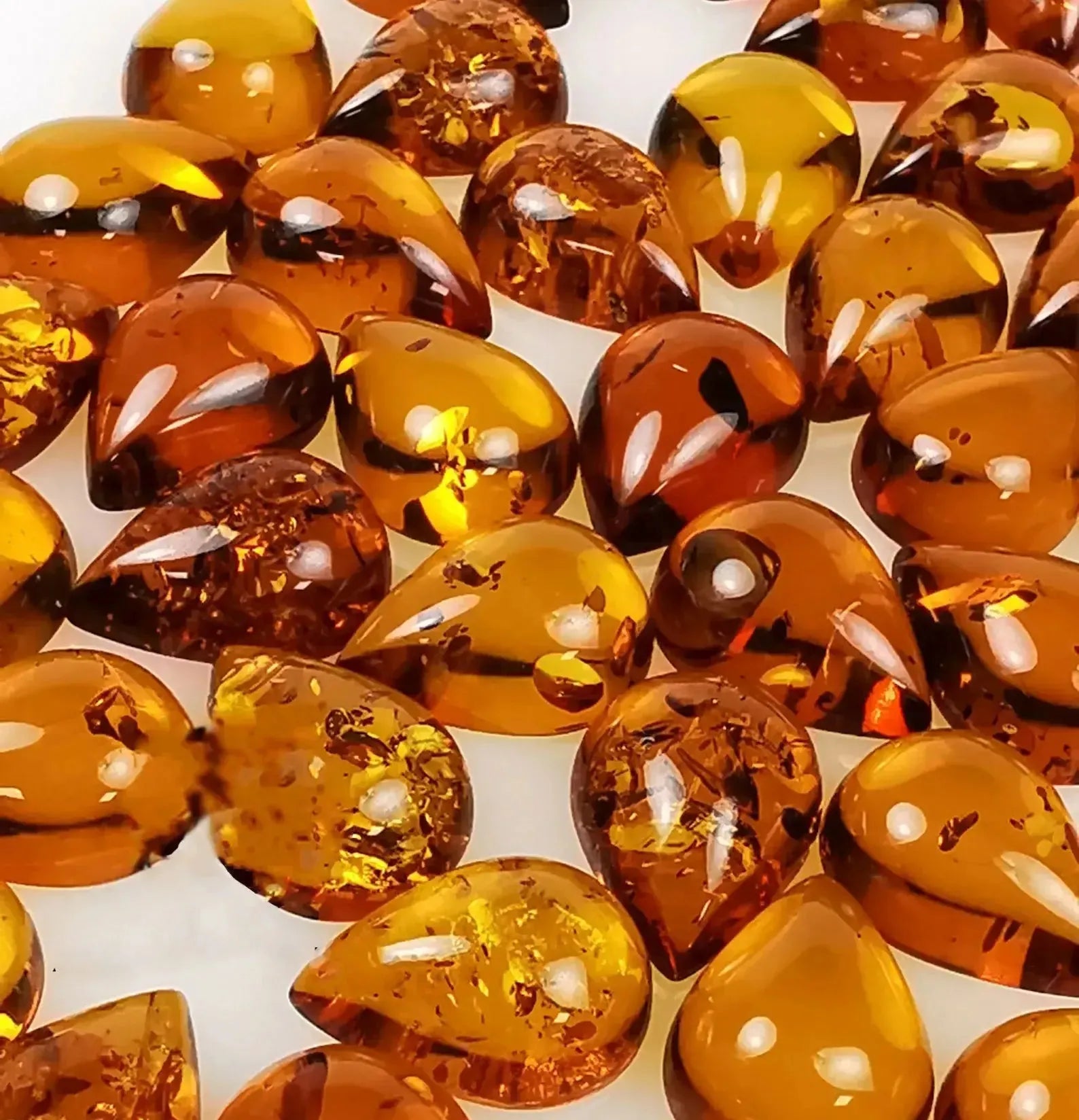
Coral is also the material that brings us closest to amber in our selection. Both are organic materials — not minerals — both have a human history of over 25,000 years, and both are universal protective talismans. But where amber is solidified time, coral is solidified life.
Care and Advice for your Coral Jewelry
- Acids: absolutely avoid all contact with acidic substances — even vinegar or lemon juice slowly dissolve coral (calcium carbonate)
- Chemicals: avoid perfumes, creams, detergents, and hairspray — remove your jewelry before any application
- Water: avoid prolonged immersion — coral can dry out and crack
- Heat: avoid intense heat sources and prolonged sun exposure
- Cleaning: use only a slightly damp soft cloth. Dry immediately
- Storage: soft fabric pouch, away from light and heat, separate from other jewelry
- Scratches: coral is soft (3-4/10) — avoid contact with hard surfaces or harder stones
- Hydration: some experts recommend very occasionally applying a drop of olive oil to coral to prevent desiccation — do so sparingly
To learn more: Complete guide to caring for your 925 silver jewelry.
Stones to Discover
If coral fascinates you, these stones will share your sensitivity for warm, organic materials rich in history:
- 🔴 Carnelian — fiery orange-red, same warmth and vital energy, but mineral
- 🟠 Amber — another organic material, yellow-gold, same temporal and protective dimension
- 🔵 Turquoise — historic blue-green, same Ottoman and Berber tradition
- ❤️ Garnet — crystalline red, same chromatic intensity but transparent
- 📖 Complete Guide to Natural Stones 2026 — everything about stones in jewelry
Frequently Asked Questions about Coral
Is coral a stone?
No — coral is an organic material, like amber and pearl. It is the calcareous skeleton (CaCO₃) of colonies of marine polyps — tiny living organisms that build their structures over decades, sometimes centuries. In jewelry, it is classified among "organic gems."
How to distinguish real coral from an imitation?
Several clues allow distinguishing natural coral from common imitations (plastic, glass, reconstituted coral): Structure: natural coral has fine longitudinal striations visible under magnification — imitations are homogeneous. Temperature: natural coral is cool to the touch and warms slowly — plastic warms quickly. Acid test: a drop of vinegar on natural coral produces small bubbles (calcium carbonate reaction) — plastic does not react.
Is coral endangered?
Yes — coral reefs are among the most threatened ecosystems on the planet, victims of global warming, ocean acidification, and overfishing. Jewelry coral (especially Corallium rubrum) is subject to strict regulations in many countries. At Vindicta, we only work with certified coral from regulated sources.
Why is coral mentioned in the Quran?
The Quran mentions coral (marjan, مرجان) in Surah Al-Rahman (verse 22): "He has let free the two seas meeting each other... From both of them emerge pearls and coral." This divine reference gives coral a sacred dimension in Islamic tradition — it is one of the wonders of divine creation. This symbolism is directly rooted in Vindicta's Ottoman identity.
Is coral suitable for daily wear?
With caution. Its softness (3-4/10) makes it vulnerable to scratches and shocks, and its sensitivity to acids requires strict precautions. For daily wear, prefer a pendant or earrings. If you opt for a ring, avoid physical activities and contact with acidic substances (perspiration, perfumes, household products).
What is the difference between natural and reconstituted coral?
Reconstituted coral (also called compressed coral or agglomerated coral) is made from coral powder mixed with resin and compressed into blocks. It is much less valuable than natural coral and often dyed to unify its color. The distinction with the naked eye is difficult — reconstituted coral is generally more homogeneous and lacks the characteristic natural striations of natural coral.
Conclusion
Coral is an exceptional material — organic, living, steeped in 25,000 years of human history and universal symbolism. From Greek mythology to Ottoman sultans, from Berber wedding adornments to Tibetan Buddhist rosaries, it has always been associated with life, protection, and fertility.
Combined with solid 925 silver in the tradition of Ottoman and Berber goldsmithery, coral creates jewelry of unparalleled warmth and cultural depth — pieces that carry millennia of marine and human history, and the universal symbolism of life and protection.
✦ Vindicta — Argent 925 Massif
La pièce qui fait la différence
Certifié argent 925 · Livraison offerte dès 69€ · 10 ans d'excellence
Bijoux Pierres Naturelles →



Leave a comment
This site is protected by hCaptcha and the hCaptcha Privacy Policy and Terms of Service apply.