
Citrine
Spotlight on Citrine
Summary
- Introduction
- Characteristics of Citrine
- History and Symbolism
- Varieties of Citrine
- Meaning and Virtues
- Deposits Around the World
- Citrine Jewelry at Vindicta
- The Vindicta Perspective
- Care and Advice
- Stones to Discover
- Frequently Asked Questions
- Conclusion
Introduction
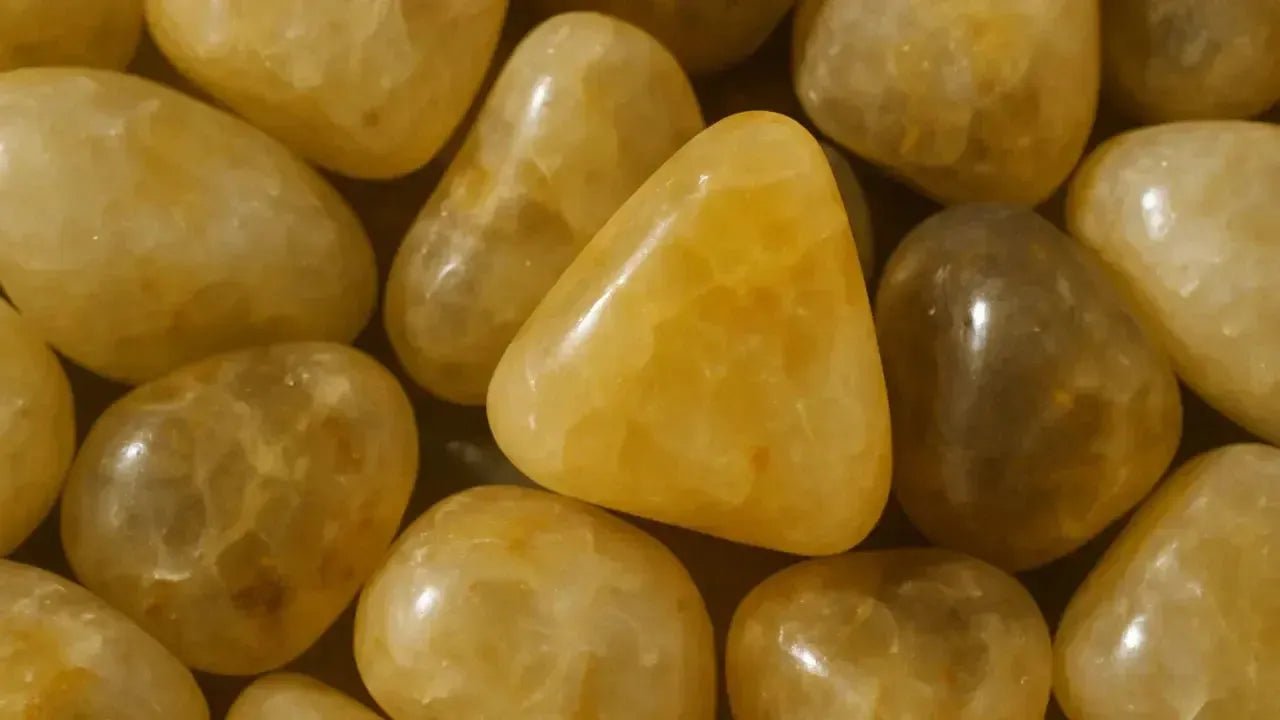
Citrine is the stone of the sun and joy. Its golden yellow color — ranging from clear pale yellow to deep orange-brown — immediately evokes warmth, light, and positive energy. A stone of abundance and prosperity in many traditions, it is one of the most popular fine gemstones for its warm and luminous color.
A yellow variety of quartz (SiO₂), citrine owes its color to traces of iron in its crystal structure. It is the sunny sister of amethyst — both are quartz, and amethyst can even transform into citrine under the effect of heat. Paired with solid 925 sterling silver, it creates jewelry with sunny warmth and luminosity.
Characteristics of Citrine
Composition and Structure
- Family: quartz (SiO₂ — silicon dioxide)
- Color: pale yellow to orange-brown, due to traces of iron (Fe³⁺)
- Appearance: transparent to translucent, vitreous luster
- Crystal system: hexagonal (trigonal)
Hardness and Resistance
- 7 on the Mohs scale — excellent resistance for daily wear
- Resists scratches from common metals
- Stable to common acids and chemicals
Physical Properties
- Density: 2.65
- Refractive index: 1.544 – 1.553
- Transparency: transparent to translucent
- Cleavage: none (conchoidal fracture)
History and Symbolism of Citrine
Citrine has been used in jewelry since antiquity. Ancient Greeks carved it into cabochons and intaglios. Romans made jewelry and decorative objects from it. Its golden yellow color was associated with the sun, wealth, and prosperity.
During the Scottish era (17th-19th centuries), citrine was highly prized in Highland jewelry. Sword hilts and traditional Scottish brooches were often adorned with citrines — a tradition that influenced Victorian jewelry.
During the Art Deco era (1920-1940), citrine was one of the most used stones by major jewelers. Its warm color contrasted perfectly with the geometric lines and cold metals of Art Deco. Cartier, Van Cleef & Arpels, and Boucheron made spectacular pieces with it.
In Chinese feng shui tradition, citrine is called the "merchant's stone" — placed in businesses to attract prosperity and good fortune. This tradition has contributed to its universal reputation as a stone of abundance.
Varieties of Citrine
- Pale yellow citrine: clear and bright yellow, the most common and accessible
- Golden citrine: intense golden yellow, the most prized in jewelry
- Madeira citrine: deep orange-brown, the rarest and most precious, originating from Brazil
- Palmeira citrine: vivid orange, highly sought after by collectors
- Ametrine: natural blend of amethyst (purple) and citrine (yellow) in the same stone, unique in the world (Bolivia)
Meaning and Virtues of Citrine
Emotional & Spiritual Level
- Joy & optimism 🟡: stone of the sun, joy, and positive energy
- Abundance: universal talisman of prosperity and material success
- Confidence: strengthens self-esteem and confidence in one's abilities
- Solar chakra: associated with the Manipura chakra, it stimulates willpower and determination
- Creativity: stimulates imagination and artistic expression
Physical Level (lithotherapy beliefs)
- Associated with strengthening the digestive system and general vitality
- Used to stimulate energy and combat fatigue
- Considered a stone of emotional detoxification
Note: the virtues of lithotherapy are not scientifically proven and do not replace medical advice.
Citrine Deposits Around the World
- Brazil (Rio Grande do Sul): world's largest producer, all qualities, Madeira and Palmeira citrines
- Bolivia: ametrine (citrine + amethyst), unique in the world
- Spain (Salamanca): historical gem-quality citrine
- Madagascar: variable quality citrine
- Russia (Urals): high-quality historical citrine
Citrine Jewelry at Vindicta
Citrine, with its warm golden-yellow color and crystalline transparency, naturally pairs with solid 925 sterling silver to create jewelry with sunny warmth and luminosity. The contrast between the warm yellow of citrine and the cool sparkle of silver is instantly elegant.
Our citrine creations:
- Women's 925 Silver Earrings Citrine & Oxidized – Leaf Motif — Natural and luminous elegance
- 925 Silver Ring Amethyst, Citrine, Peridot & Garnet — Multicolor palette, all seasons
Also discover our natural stone 925 silver jewelry collection.
The Vindicta Perspective
Citrine is the stone we most naturally associate with amethyst in our selection. Both are quartz, both have a strong Art Deco history, and their combination — purple and golden-yellow — is one of the most elegant chromatic combinations in jewelry.
What particularly interests us is Madeira citrine — that deep orange-brown that evokes Madeira wine. It's a warm and sophisticated color that fits perfectly with Vindicta's Ottoman aesthetic — close to the hues of carnelian, but with the crystalline transparency of quartz.
Citrine is also the birthstone for November and the stone for 13th wedding anniversaries — making it a particularly meaningful gift for these autumnal occasions.
Care and Advice for your Citrine Jewelry
- Sun: avoid prolonged exposure — citrine can discolor under intense UV light
- Cleaning: warm soapy water + soft cloth. Rinse and dry immediately
- Chemicals: avoid contact with perfumes, creams, and detergents
- Storage: soft fabric pouch, separately from other jewelry
- Daily wear: perfectly suitable thanks to its hardness of 7/10
To learn more: Complete guide to caring for your 925 silver jewelry.
Stones to Discover
- 💜 Amethyst — citrine's purple sister, same quartz family
- 🔴 Carnelian — warm orange-red, same solar energy
- 🟠 Tiger's Eye — shimmering golden, same warm palette
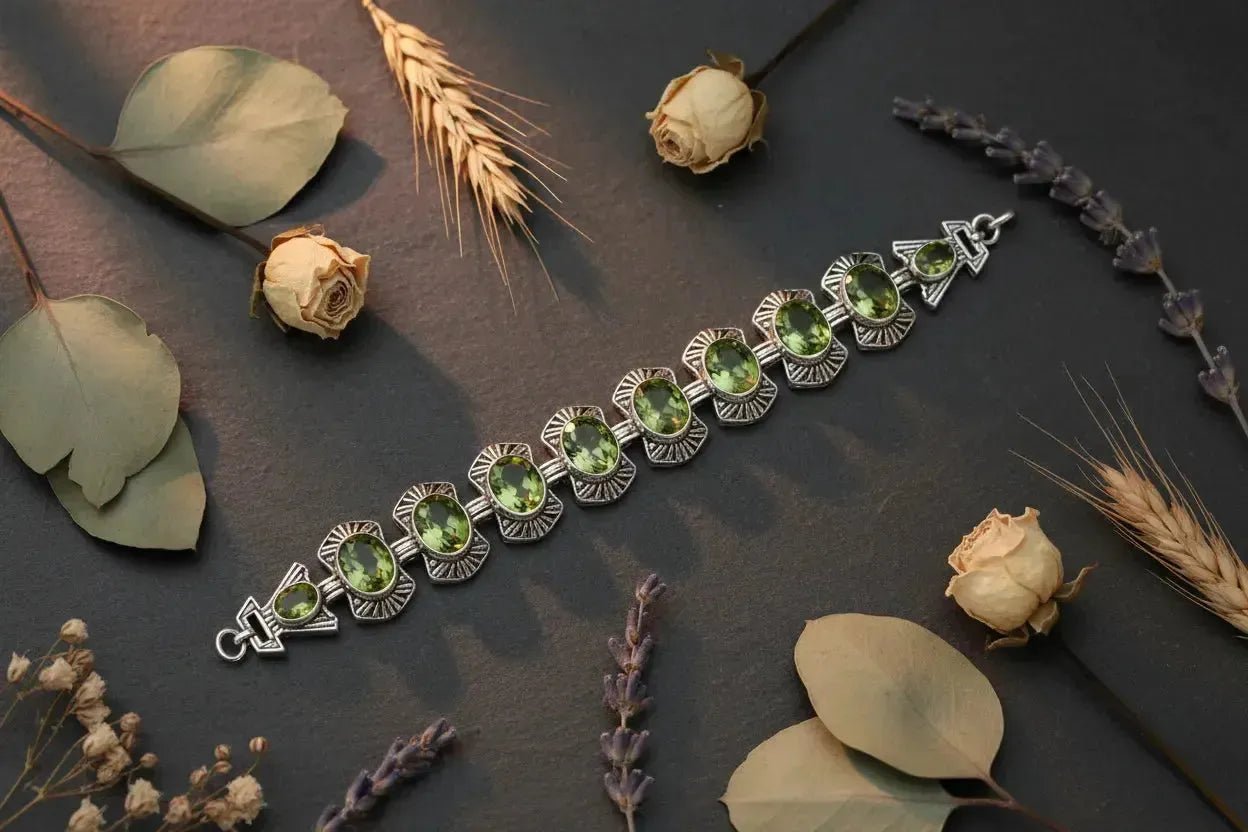
- 🟢 Peridot — green-gold, natural companion to citrine in multicolor jewelry
- 📖 Complete Guide to Natural Stones 2026 — all about stones in jewelry
Frequently Asked Questions about Citrine
Is citrine natural or treated?
The vast majority of citrines on the market are amethysts or smoky quartz heated to achieve their yellow-orange color. This practice is ancient and accepted in jewelry. Natural citrine (untreated) is rarer and more expensive. At Vindicta, we always specify the nature of our stones.
What is the difference between citrine and yellow topaz?
Both are transparent yellow stones, but they are different minerals. Topaz is harder (8/10 vs 7/10) and heavier. Citrine is more accessible and common. Historically, the two have been confused — distinguishing them requires gemological analysis.
Does citrine really bring good luck in business?
This is its universal reputation — the "merchant's stone" in feng shui, the talisman of prosperity in many cultures. Scientifically, no stone can influence business. But the symbolism is powerful — wearing a stone associated with abundance can strengthen confidence and optimism, which genuinely influences behavior.
Conclusion
Citrine is an exceptional stone — warm, luminous, imbued with a universal symbolism of joy and prosperity. From ancient Greece to Art Deco jewelers, through feng shui tradition and Scottish jewelry, it has always been associated with the sun, abundance, and success.
Paired with solid 925 sterling silver, citrine creates jewelry with sunny warmth and luminosity — pieces that carry the energy of the sun and the universal symbolism of abundance.
✦ Vindicta — Argent 925 Massif
La pièce qui fait la différence
Certifié argent 925 · Livraison offerte dès 69€ · 10 ans d'excellence
Bijoux Pierres Naturelles →



Leave a comment
This site is protected by hCaptcha and the hCaptcha Privacy Policy and Terms of Service apply.