
Tahitian Pearl: Colors, Properties and Jewelry
Focus on the Tahitian Pearl
Table of Contents
- Introduction
- Characteristics
- History and Symbolism
- Colors and Varieties
- Meaning and Virtues
- Origins
- Tahitian Pearl Jewelry at Vindicta
- The Vindicta Perspective
- Care and Tips
- Pearls to Discover
- Frequently Asked Questions
- Conclusion
Introduction
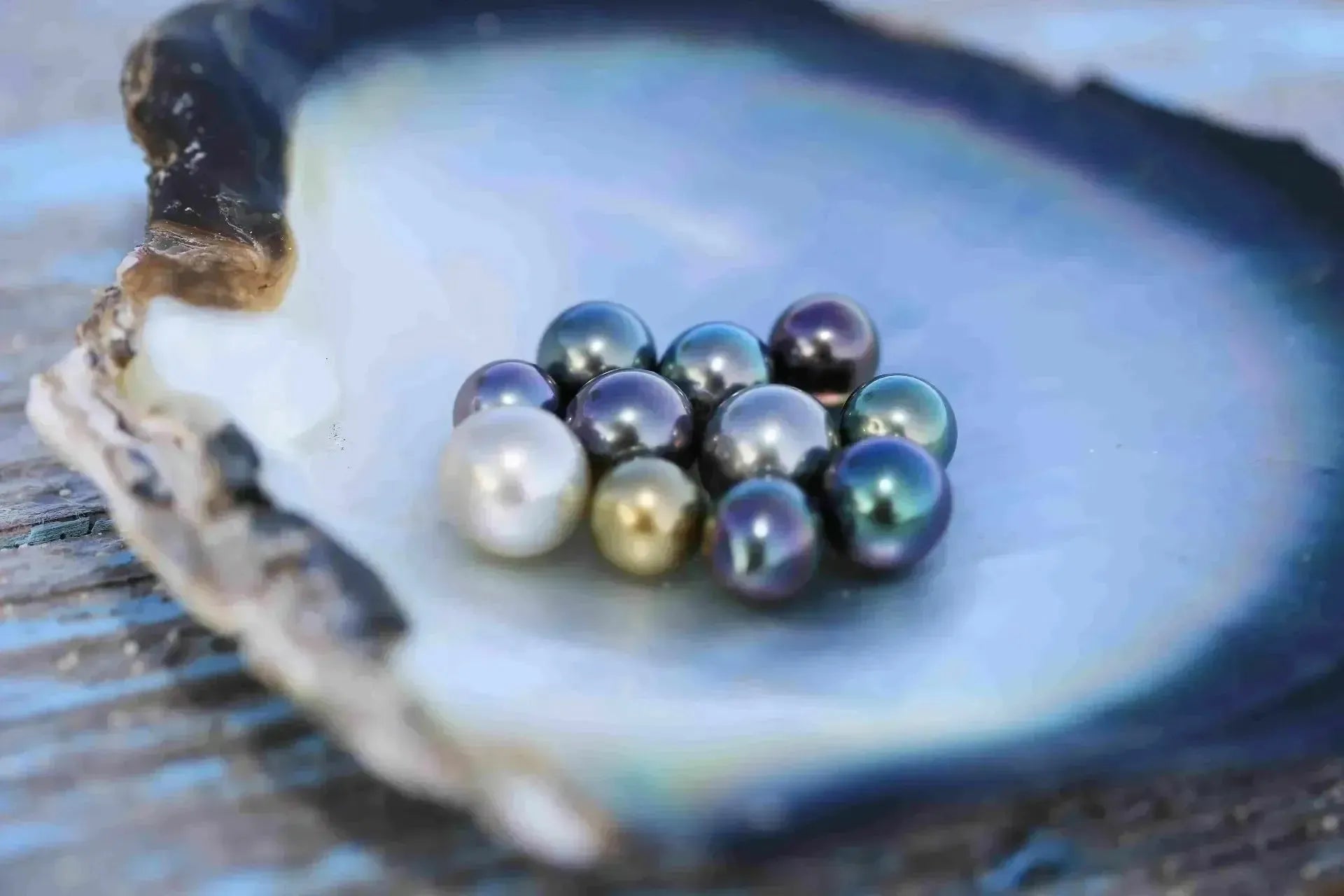
The Tahitian pearl is the only natural black pearl in the world. Produced exclusively by the pearl oyster Pinctada margaritifera in the lagoons of French Polynesia, it fascinates with its deep colors and spectacular iridescent reflections—green, blue, purple, gold—which change depending on the viewing angle and light. No other pearl in the world possesses this unique chromatic palette.
Contrary to what its name suggests, the Tahitian pearl is not produced in Tahiti but in the atolls of Tuamotu, Gambier, and the Leeward Islands. Its iridescent black mother-of-pearl is one of the most fascinating materials in world jewelry. Paired with 925 sterling silver, it creates jewelry of absolutely unique depth and elegance.
At Vindicta, for over 10 years, we have been selecting 925 silver pearl jewelry that pays homage to this rare organic beauty.
Characteristics of the Tahitian Pearl
Composition and Structure
- Type: cultured pearl (Pinctada margaritifera — black-lip oyster)
- Color: dark gray to black, with green, blue, purple, golden, or pink reflections
- Size: 8 to 18 mm (average: 9-11 mm)
- Shape: round, semi-round, baroque, circled, drop, button
- Nacre thickness: minimum 0.8 mm (Polynesian regulation)
Hardness and Resistance
- 2.5 to 4.5 on the Mohs scale — a soft gem, to be handled with care
- Sensitive to acids, heat, and chemicals
Optical Properties
- Orient: luminous depth characteristic of quality pearls
- Luster: intense surface shine, perfect mirror for the best qualities
- Iridescence: changing reflections due to the layered structure of the black mother-of-pearl
History and Symbolism of the Tahitian Pearl
In Polynesian mythology, the black pearl was born from the moon. The god Oro is said to have offered the first black pearl to Princess Bora Bora as a symbol of eternal love. This legend gives the Tahitian pearl a unique romantic and sacred dimension.
Historically, natural black pearls from Polynesia were extremely rare. Polynesian chiefs (arii) wore them as symbols of power and prestige. The cultivation of the Tahitian pearl developed from the 1960s – in a few decades, it became one of the most sought-after gems in the world and the main export resource of French Polynesia after tourism.
Colors and Varieties of the Tahitian Pearl
The chromatic palette of the Tahitian pearl is unique in the world:
- Peacock green: the most sought-after and precious, intense green reflections with golden hues
- Eggplant: deep purple with pink and red reflections
- Blue-green: changing blue and green reflections, marine elegance
- Golden: warm golden reflections on a dark background, striking contrast
- Silver-gray: the most classic, sober and unparalleled elegance
- Circled: natural concentric rings on the surface, unique characteristic
Meaning and Virtues of the Tahitian Pearl
Emotional & Spiritual Plane
- Mystery & depth: associated with the black moon, night, and the depths of the ocean
- Eternal love: symbol of love and fidelity in Polynesian tradition
- Protection: talisman for sailors and travelers at sea
- Wisdom: associated with knowledge of the depths
- Powerful femininity: strong and assertive feminine energy
Physical Plane (lithotherapy beliefs)
- Associated with emotional balance and stress management
- Used to strengthen self-confidence
Note: the virtues of lithotherapy are not scientifically proven. To learn more: complete guide to natural stones.
Origins of the Tahitian Pearl
The Tahitian pearl is produced exclusively in French Polynesia:
- Tuamotu Archipelago: main production basin, immense and pristine lagoons
- Gambier Archipelago: very high quality pearls, limited production
- Leeward Islands: secondary quality production
Polynesian regulations are among the strictest in the world — minimum nacre thickness, mandatory quality control, certification of origin. Only pearls meeting the criteria can be exported under the designation "Tahitian Pearl."
Tahitian Pearl Jewelry at Vindicta
The Tahitian pearl naturally pairs with 925 sterling silver to create jewelry of unique depth and elegance. The contrast between the iridescent black of the pearl and the silvery shine of the metal evokes the depths of the ocean and the light of the moon.
Discover our selections:
- Jewelry with 925 silver pearls
- 925 silver mother-of-pearl jewelry collection
- Women's 925 silver necklaces
- Women's 925 silver earrings
- Natural stone jewelry
The Vindicta Perspective
The Tahitian pearl is the gem that impresses us most with its regulation. French Polynesia has implemented one of the most rigorous quality control and origin certification systems in the world — every exported pearl is controlled, classified, and certified. It's a model of traceability that we admire and strive to apply to our entire selection.
What fascinates us is its chromatic paradox: called "black pearl," it is never truly black. Depending on the light, the same pearl can appear green, blue, purple, or gold. It's the most chameleon-like gem in our selection. Paired with 925 sterling silver, it creates jewelry that has the same energy as our pieces in onyx or labradorite — but with the unique organic and marine dimension of the pearl.
Care and Tips
- Last on, first off: after perfume, cream, hairspray
- Acids: avoid all contact with acidic substances
- Cleaning: soft, slightly damp cloth. Dry flat. Never immerse
- Storage: soft fabric pouch, separate from other jewelry
- Light: avoid prolonged exposure to UV rays
- Regular wear: the natural warmth of the skin maintains the nacre
To go further: Complete care guide for your 925 silver jewelry.
Pearls to Discover
- Mother-of-Pearl — the material from which the Tahitian pearl is made
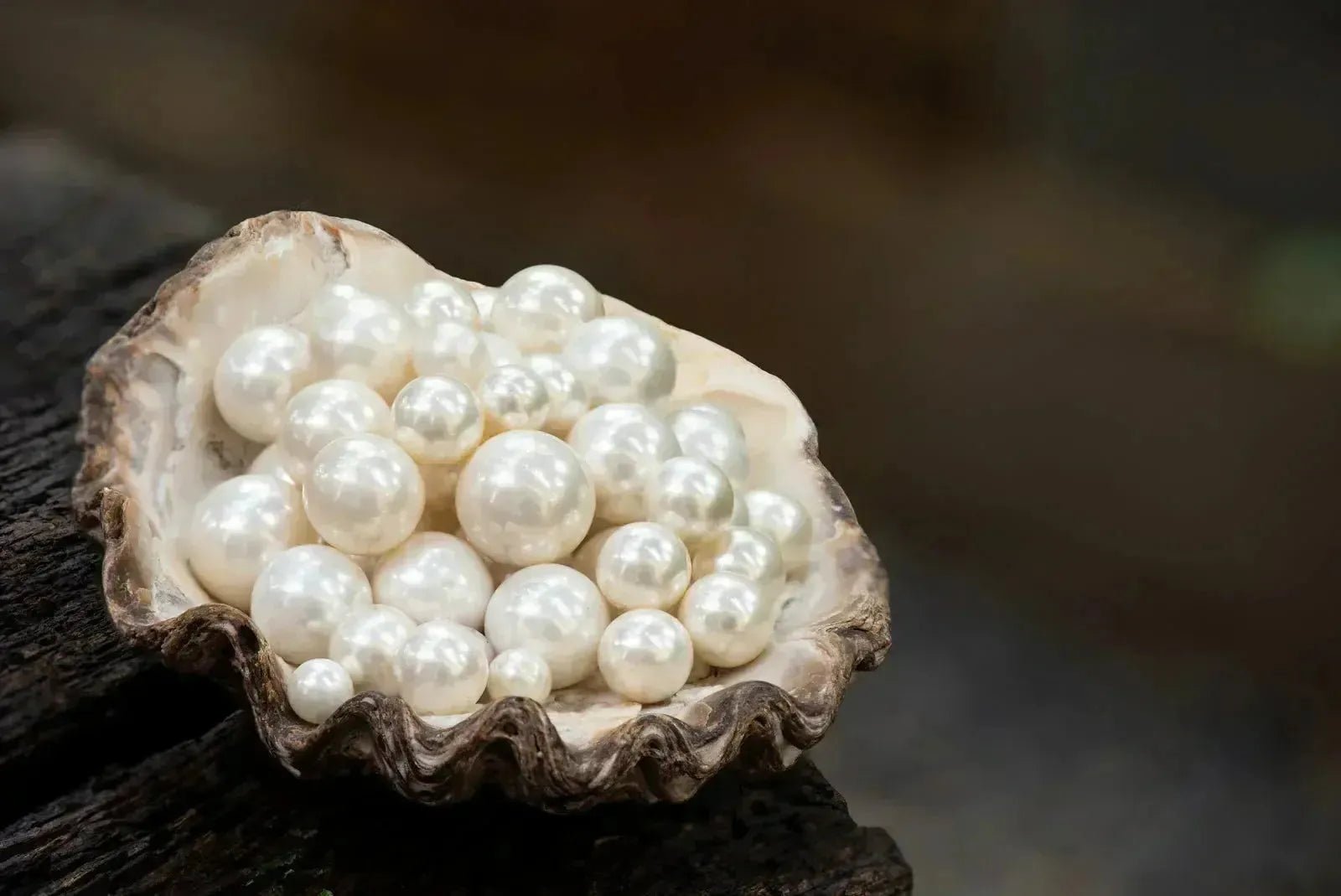
- Pearls — complete guide to all varieties
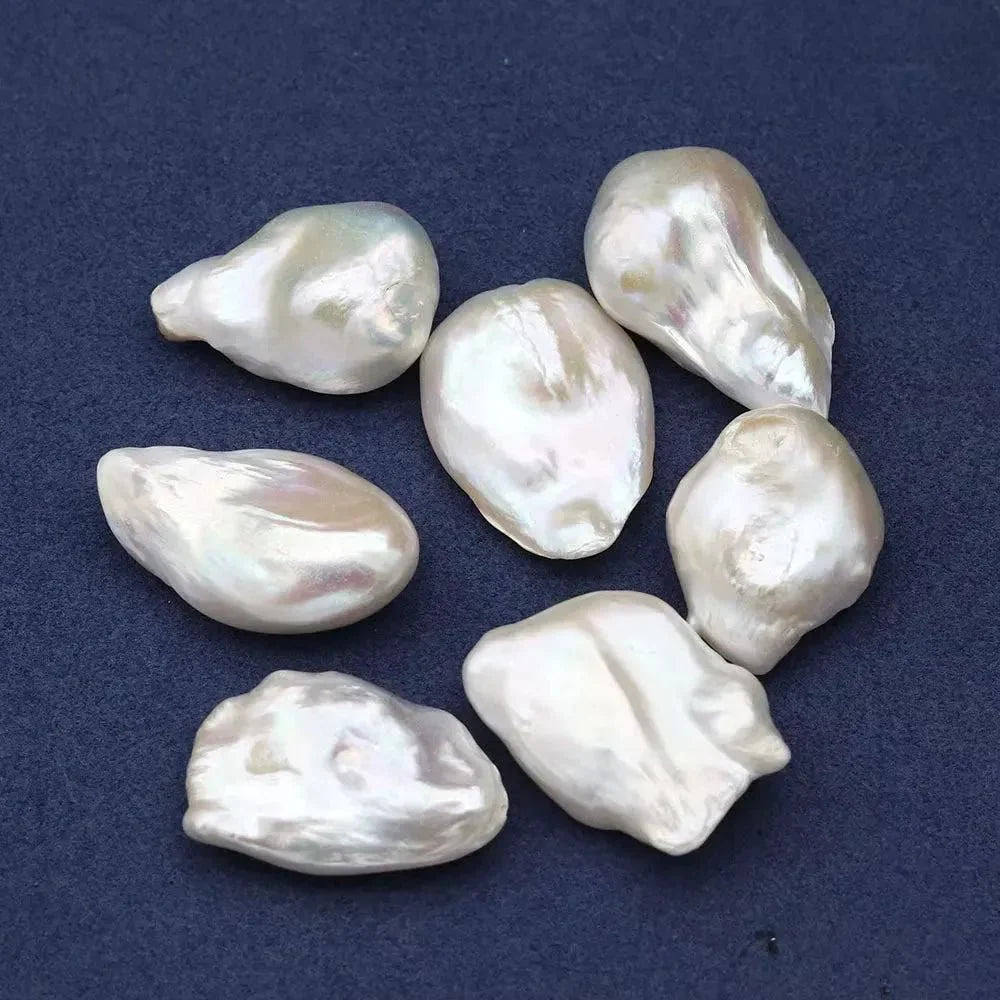
- Baroque Pearl — irregular shape, each piece unique
- Keshi Pearl — entirely nacre, exceptional luster
- South Sea Pearl — the largest and most precious
- Onyx — deep mineral black, same dark energy
- Complete Guide to Natural Stones 2026
Frequently Asked Questions
Is the Tahitian pearl truly black?
No — its base color is a deep gray. It's the superposition of reflections (overtones) that creates the illusion of black. Depending on the light, it can appear green, blue, purple, or gold.
Why is the Tahitian pearl so expensive?
The slow cultivation process (minimum 18-24 months), the high mortality rate of oysters, strict regulations, and the rarity of large, round pearls explain its high price.
How to distinguish a real Tahitian pearl from an imitation?
The tooth test (slightly gritty) is still valid. The best guarantee remains the Polynesian certificate of origin — any legally exported pearl is officially certified.
What is the difference between a Tahitian pearl and a black pearl?
The Tahitian pearl is the only natural black pearl in the world. Other "black pearls" are generally dyed freshwater pearls — legal, but must be clearly indicated.
Conclusion
The Tahitian pearl is an exceptional gem — the only natural black pearl in the world, produced in the purest lagoons of the Pacific, regulated with exemplary rigor. Paired with 925 sterling silver, it creates jewelry of absolutely unique depth and elegance.
Explore our collection of 925 silver pearl jewelry and also discover our article on the South Sea pearl.
✦ Vindicta — Solid 925 silver
The piece that makes the difference
Certified 925 silver · Free shipping from €69 · 10 years of excellence
Natural Stone Jewellery →



Leave a comment
This site is protected by hCaptcha and the hCaptcha Privacy Policy and Terms of Service apply.