Obsidian
Spotlight on Obsidian
Summary
- Introduction
- Characteristics of Obsidian
- History and Symbolism
- Varieties of Obsidian
- Meaning and Virtues
- Deposits Around the World
- Obsidian Jewelry at Vindicta
- The Vindicta Perspective
- Care and Tips
- Stones to Discover
- Frequently Asked Questions
- Conclusion
Introduction
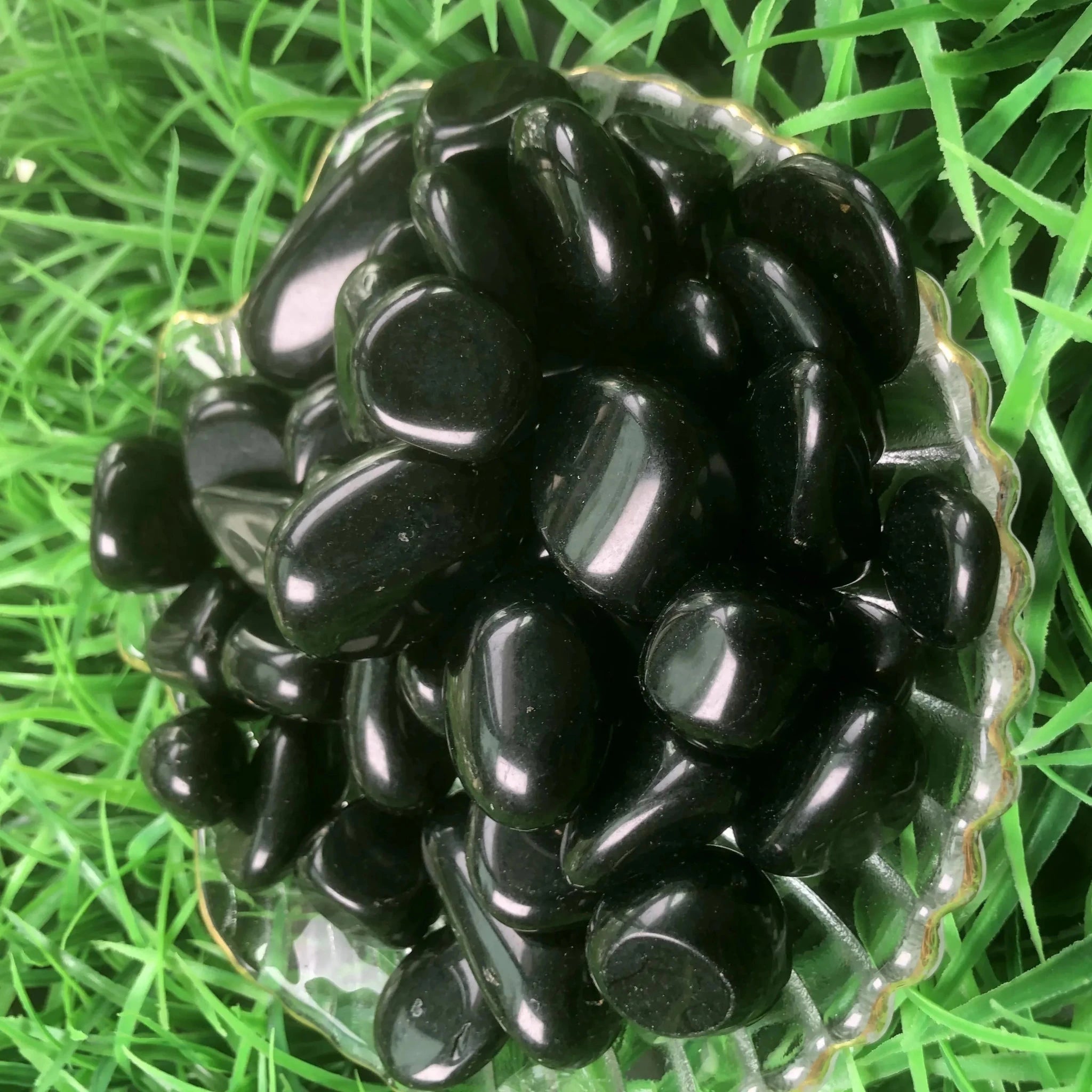
Obsidian is one of the oldest stones used by humanity — long before jewelry, long before writing. It is a natural volcanic glass, formed by the rapid cooling of lava. Its exceptional sharpness — sharper than surgical steel — made it the ideal cutting tool for prehistoric civilizations. Today, it is its shiny black beauty that captivates.
Technically, obsidian is not a mineral but a volcanic glass (SiO₂ at 70-75%) — it has no crystalline structure. Its deep, shiny black, sometimes iridescent with golden or rainbow reflections, makes it a stone of dark and powerful elegance. Paired with solid 925 silver, it creates jewelry of immediate strength and understated beauty.
Characteristics of Obsidian
Composition and Structure
- Type: natural volcanic glass (not a crystalline mineral)
- Composition: silica (SiO₂, 70-75%) with iron, magnesium, and aluminum oxides
- Color: deep black, sometimes with golden (golden obsidian), rainbow reflections, or white spots (snowflake obsidian)
- Appearance: opaque to translucent at the edges, shiny vitreous luster
Hardness and Resistance
- 5 to 5.5 on the Mohs scale — relatively soft stone
- Very sharp conchoidal fracture — handle with care
- Fragile to impacts despite its solid appearance
Physical Properties
- Density: 2.35 to 2.60
- Transparency: opaque (translucent on thin edges)
- Cleavage: absent (conchoidal fracture)
History and Symbolism of Obsidian
Obsidian is one of the first raw materials traded by humans. Prehistoric trade routes transported obsidian over thousands of kilometers — from deposits in Anatolia (Turkey) found as far as Mesopotamia and Egypt. It was one of the first products of international trade.
In Mesoamerican civilizations (Aztecs, Mayans, Toltecs), obsidian was sacred. The Aztec god Tezcatlipoca ("Smoking Mirror") was depicted with an obsidian mirror in place of his foot — in which he saw the destiny of men. Priests used obsidian knives for ritual sacrifices.
In ancient Greece and Rome, obsidian was used to make polished mirrors — the first mirrors in history. Its black, shiny surface reflected images with remarkable quality for the time.
In Islamic and Ottoman tradition, obsidian was used as a stone of protection and truth. Its black color was associated with strength, protection, and self-control.
Varieties of Obsidian
- Black obsidian: deep, shiny black, the most common and sought after
- Snowflake obsidian: black with white spots of cristobalite, unique patterns resembling snowflakes
- Golden obsidian (sheen): black with golden or silvery reflections, due to microscopic gas bubbles
- Rainbow obsidian: multicolored iridescent reflections, highly prized in jewelry
- Mahogany obsidian: black with reddish-brown hematite spots, marbled appearance
- Apache obsidian (Apache tears): small translucent nodules, associated with a Native American legend
Meaning and Virtues of Obsidian
Emotional & Spiritual Level
- Protection & truth 🖤: powerful energetic shield, reveals hidden truths
- Grounding: promotes stability, inner security, and connection to the earth
- Transformation: helps release blocked emotions and past traumas
- Root chakra: associated with the Muladhara chakra, it strengthens grounding and protection
- Clarity: like a mirror, it reflects truth without complacency
Physical Level (beliefs in lithotherapy)
- Associated with relief from muscle and joint pain
- Used to improve circulation and general vitality
- Considered a stone of physical and emotional detoxification
Note: The virtues of lithotherapy are not scientifically proven and do not replace medical advice.
Obsidian Deposits Around the World
- Mexico: leading global producer, all varieties, gem quality
- Turkey (Anatolia): historic deposit, exploited since prehistory, gem quality
- Iceland: high-quality black obsidian, linked to active volcanic activity
- United States (Oregon, Idaho, California): obsidian of all varieties, varying quality
- Italy (Sardinia, Lipari): historic Mediterranean obsidian
- Armenia: gem-quality obsidian, used since antiquity
Obsidian Jewelry at Vindicta
Obsidian, with its deep, shiny black, naturally pairs with solid 925 silver to create jewelry of immediate strength and understated beauty. Snowflake obsidian, with its unique white spots on a black background, creates particularly graphic and characterful pieces.
Our obsidian creations:
- Men's 925 Silver & Snowflake Obsidian Ring — Unique patterns, strength, and character
Also discover our natural stone 925 silver jewelry collection.
The Vindicta Perspective
Obsidian is the stone we most naturally associate with onyx in our men's selection. Both are black, both are powerful — but they have very different characters. Onyx is a chalcedony — a crystalline, homogeneous, understated stone. Obsidian is a volcanic glass — shiny, sharp, with a history of fire and geological violence.
What fascinates us about snowflake obsidian is the absolute uniqueness of each piece. The white cristobalite spots form randomly within the black mass — no pattern ever repeats. This is the very definition of a unique piece of jewelry.
Obsidian also reminds us most of the importance of history in jewelry. When we work with obsidian from Anatolia — the same region that gave birth to the Ottoman Empire — we touch upon a 10,000-year continuity between stone and man.
Care and Tips for Your Obsidian Jewelry
- Impacts: absolutely avoid impacts — obsidian is fragile and can break
- Cleaning: soft, slightly damp cloth. Never use an ultrasonic cleaner
- Chemicals: avoid perfumes, creams, and detergents
- Storage: soft fabric pouch, separate from other jewelry
- Handling: be careful of edges — fractured obsidian is extremely sharp
To go further: Complete guide to caring for your 925 silver jewelry.
Stones to Discover
- 🖤 Onyx — crystalline black, obsidian's understated companion
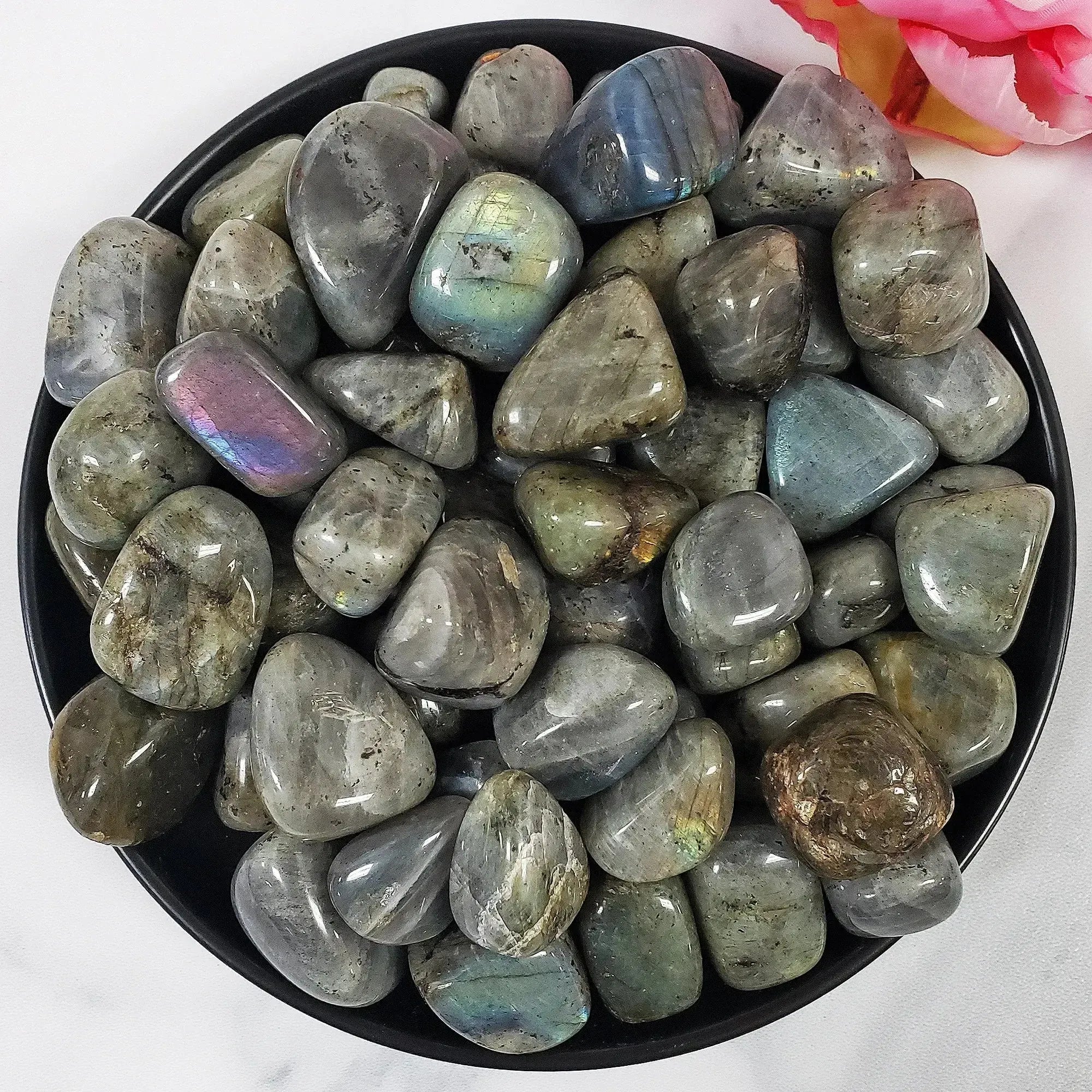
- 🔮 Labradorite — iridescent dark gray, same mystery and depth
- 💚 Malachite — intense green, same volcanic origin
- 🔴 Carnelian — fiery red, striking contrast with obsidian's black
- 📖 Complete Guide to Natural Stones 2026 — everything about stones in jewelry
Frequently Asked Questions about Obsidian
Is obsidian a real stone?
Technically, obsidian is a natural volcanic glass, not a crystalline mineral. It has no regular crystalline structure. But it is 100% natural — formed by the rapid cooling of lava. In jewelry, it is classified among natural ornamental stones.
Why was obsidian used to make tools?
Its conchoidal fracture produces extremely sharp edges — sharper than surgical steel. Prehistoric civilizations used it to make knives, arrowheads, and cutting tools. Today, surgeons still use obsidian scalpels for certain delicate operations.
What is the difference between obsidian and onyx?
Onyx is a chalcedony (microcrystalline quartz) — a true mineral stone with a crystalline structure. Obsidian is a volcanic glass with no crystalline structure. Onyx is harder (6.5-7/10 vs 5-5.5/10) and more resistant. Both are black, but obsidian is shinier and more fragile.
Is snowflake obsidian natural?
Yes — the white spots in snowflake obsidian are cristobalite crystals (a form of silica) that formed naturally in the obsidian mass during its cooling. Each pattern is unique and absolutely natural.
Conclusion
Obsidian is an exceptional stone — ancient, powerful, charged with 10,000 years of human history. From the first tool crafted by prehistoric man to contemporary jewelry, it has always been associated with strength, protection, and truth.
Paired with solid 925 silver, obsidian creates jewelry of immediate strength and understated beauty — pieces that carry millennia of volcanic and human history within them.
✦ Vindicta — Argent 925 Massif
La pièce qui fait la différence
Certifié argent 925 · Livraison offerte dès 69€ · 10 ans d'excellence
Bijoux Pierres Naturelles →



Leave a comment
This site is protected by hCaptcha and the hCaptcha Privacy Policy and Terms of Service apply.