Sterling Silver vs. 925 Silver: Are They the Same Thing?
In the United States, a shopper looking for a silver piece will almost always come across the term “sterling silver” rather than “925 silver.” In Europe, it's the opposite: the term “925 silver” dominates by far. This difference in vocabulary creates frequent confusion among American buyers discovering European jewelers like Vindicta: is it really the same metal?
The Short Answer: Yes, It's Exactly the Same Thing
Sterling silver and 925 silver refer to the same alloy: 92.5% pure silver combined with 7.5% other metals, typically copper. The number “925” refers directly to this purity percentage (925 parts per 1000, or 92.5%). “Sterling silver” is simply the traditional Anglo-Saxon name for that same alloy, used for centuries in the UK and the United States.
There's no difference whatsoever in quality, composition, or value between the two terms. It's purely a matter of regional terminology — much like “aubergine” in French and “eggplant” in American English refer to the same vegetable.
Where Does This Difference in Vocabulary Come From?
The term “sterling” dates back to medieval England, likely linked to the silver coins minted by Hanseatic merchants (the “Easterlings”) that circulated in England with a very pure and reliable silver content. The term became the standard in the English-speaking world for referring to high-quality silver, long before the metric system of purity measured in parts-per-thousand existed.
The “925” system, on the other hand, emerged in continental Europe with the gradual adoption of the decimal system for measuring the purity of precious metals (the same principle as “750” for 18-karat gold). France, in particular, standardized this numeric hallmarking system very early on.
The result today: both terms coexist and refer to exactly the same metal, but each region kept its own linguistic habit.
How to Verify Authenticity, Whichever Term Is Used
The “925” Hallmark
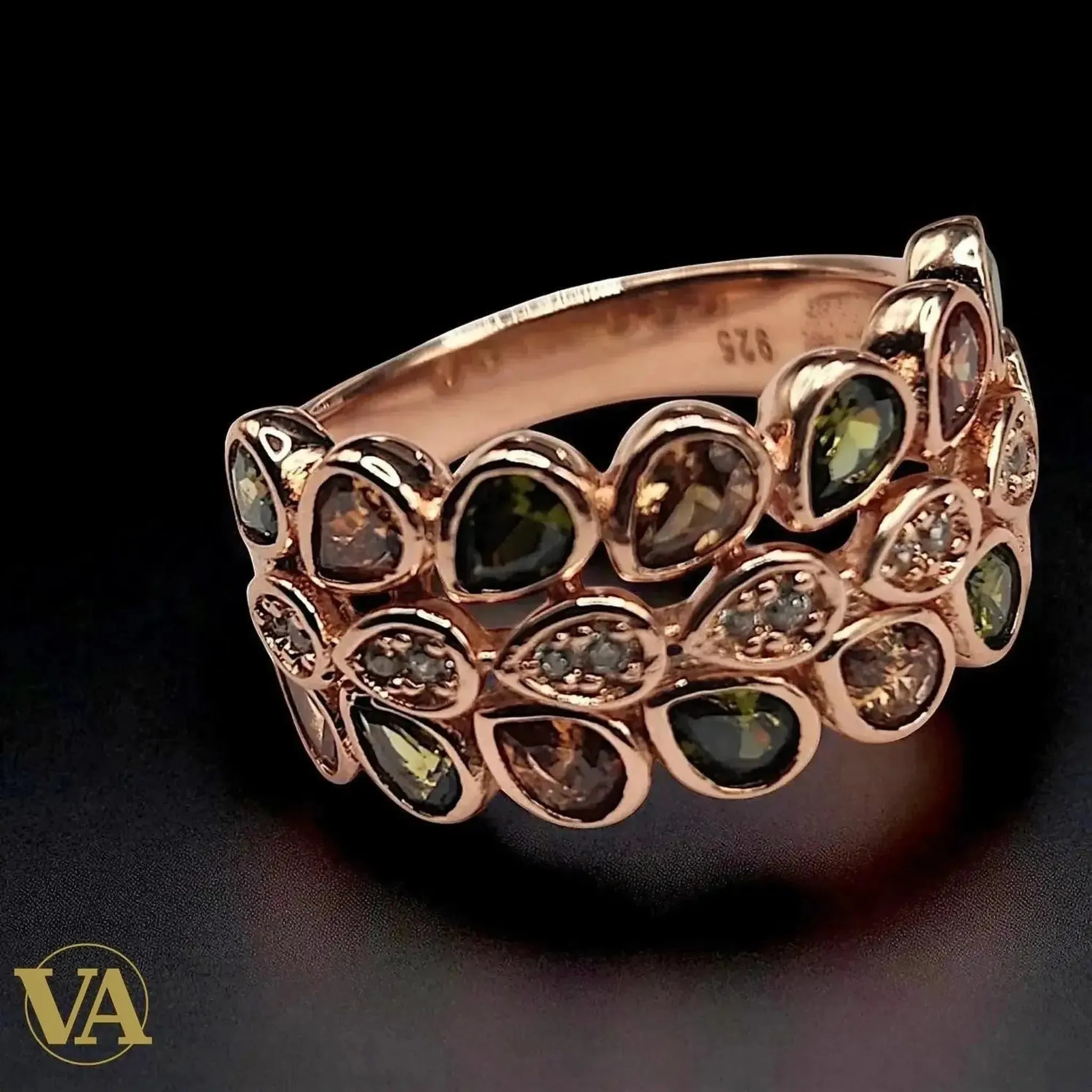
Whether a piece is sold as “sterling silver” or “925 silver,” the real proof of authenticity is the physical hallmark stamped on the piece itself: the numbers “925,” sometimes alongside a maker's mark. This hallmark is the only tangible proof — a seller can write anything on a product page, but a stamped metal doesn't lie.
The Weight and Density
Solid silver has a characteristic density (10.49 g/cm³) notably higher than most metals used in imitations. A piece that feels unusually light for its size is a red flag.
The Magnet Test
Genuine silver (sterling or 925, it's identical) is not magnetic. If a piece sold as silver is attracted to a magnet, it's most likely an iron-based alloy coated with a thin layer of silver — not solid silver.
What Is NOT 925 Silver / Sterling Silver
Watch out for these misleading terms common in the US market:
- Silver-plated — a thin layer of silver applied over a base metal (often brass or copper). Wears and flakes over time.
- Silver-tone / Silver-colored — no real silver content at all, just a silver-colored finish on an entirely different alloy.
- Nickel silver / German silver — despite its misleading name, this alloy contains NO silver whatsoever. It's copper, nickel, and zinc.
- Tibetan silver — a common marketing term that guarantees no verifiable silver purity.
Only the terms “sterling silver,” “925 silver,” “925 sterling silver,” or “solid silver” guarantee a genuine 92.5% pure silver alloy.
Why It's Not 100% Pure Silver
A common question: why not use 100% pure silver? The answer is purely practical. Pure silver (999‰) is too soft a metal to work into durable jewelry — it bends, scratches, and loses its shape very quickly with everyday wear. Adding 7.5% copper significantly strengthens the metal's hardness and durability, while keeping its characteristic shine and color. It's a technical trade-off that has existed for centuries precisely because it works.
At Vindicta: Solid 925 Silver, Certified on Every Piece
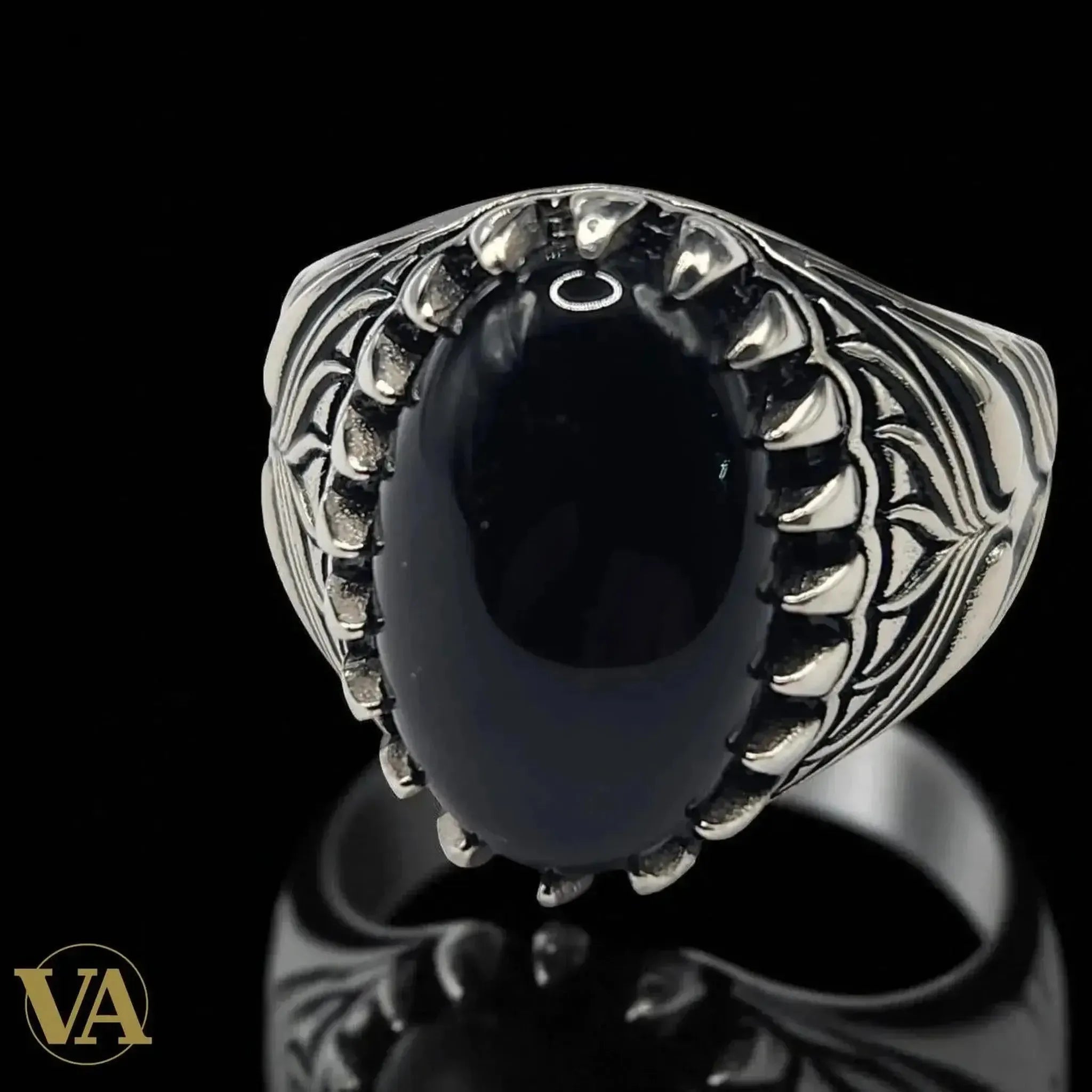
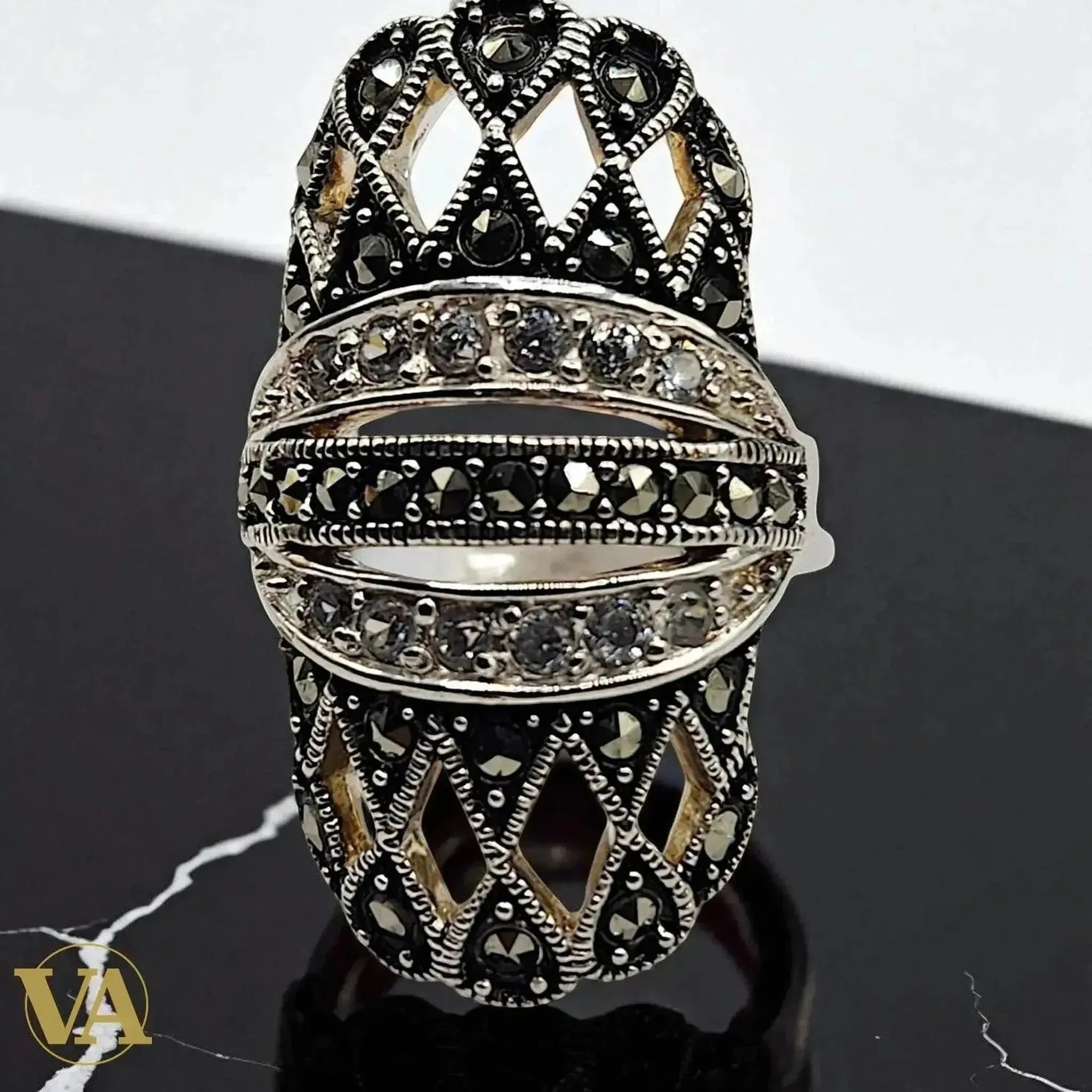
All our men's rings, women's rings, bracelets, and necklaces are made of genuine solid 925 silver — the very same alloy Americans know as sterling silver. Every piece is hallmarked 925, and every order comes with a certificate of authenticity specifying the metal, weight, and stones used.
Whether you search for “sterling silver jewelry” or “925 silver jewelry,” you're looking for exactly the same thing — and at Vindicta, you can be sure you're getting it, with no compromise on metal purity.
✦ Vindicta — Solid 925 silver
The piece that makes the difference
Certified 925 silver · Free shipping from €69 · 10 years of excellence
Discover our jewellery →