
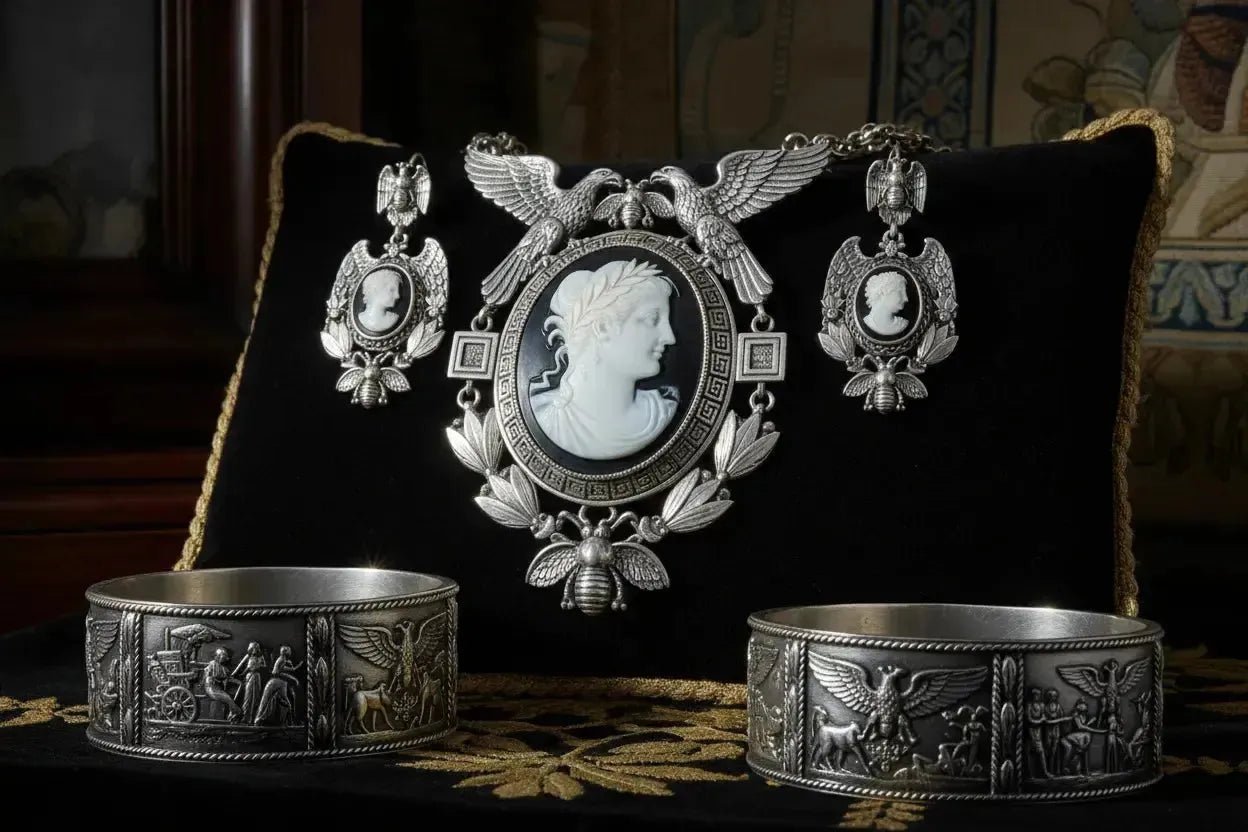
Empire Jewelry Sterling Silver 925: Napoleon Bonaparte Style
The Napoleonic Era: Aesthetic and Political Revolution
The Napoleonic era (1804-1815) marks a major turning point in the history of French jewelry. Napoleon Bonaparte, crowned Emperor of the French in 1804, introduced a new style that broke with baroque exuberance to embrace neoclassical purity. This Empire aesthetic continues to inspire creators of 925 silver jewelry, combining timeless elegance with imperial symbolism.
The Empire Style: Return to Antiquity
Napoleon, fascinated by the grandeur of ancient Rome and Pharaonic Egypt, imposed a style inspired by classical antiquity. After his Egyptian campaign (1798-1801), Egyptomania invaded fashion and decoration, profoundly influencing the goldsmithing of the time.
Characteristics of the Empire style:
- Clean, symmetrical lines: rigorous geometry inspired by Greek and Roman architecture
- Antique motifs: palmettes, laurels, Greek friezes, meanders, and columns
- Imperial symbols: bees, eagles, laurel wreaths, and the letter N
- Egyptian inspiration: sphinxes, pyramids, hieroglyphs, and scarabs
- Elegant sobriety: fewer precious stones, more emphasis on metalwork
Napoleonic Imperial Symbols
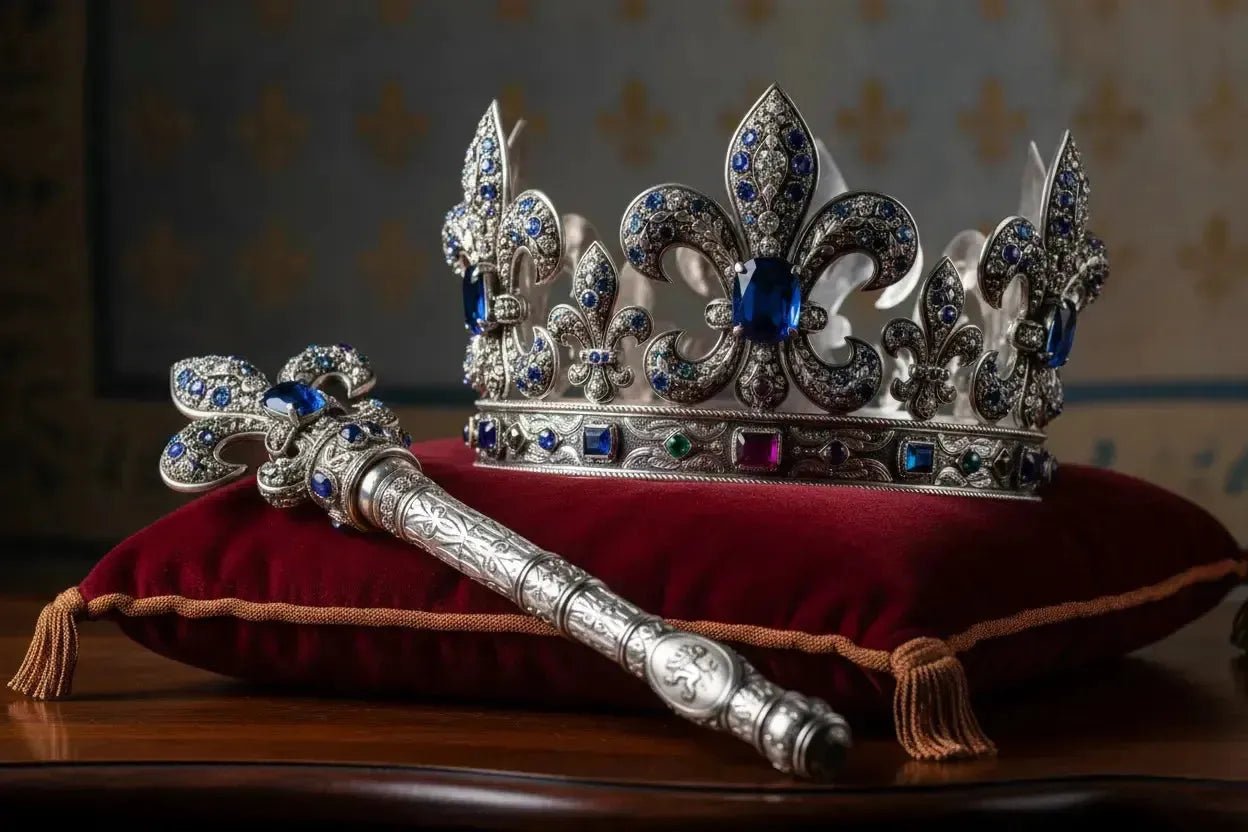
The Napoleonic bee is undoubtedly the most emblematic symbol of the Empire. Napoleon chose the bee to replace the royal fleur-de-lis, symbolizing industry, order, and regeneration. Golden bees adorned the emperor's coronation robe and were found on many sterling silver jewelry pieces.
The imperial eagle, inspired by Roman eagles, represents power, victory, and sovereignty. Each regiment of the Grand Army carried a gilded bronze eagle, considered sacred by the soldiers.
The laurel wreath, directly borrowed from Roman emperors, symbolizes military glory and victory. Napoleon had himself depicted crowned with laurels, like Caesar and Augustus.
The letter N, often intertwined or surmounted by an imperial crown, marked belonging to the Napoleonic Empire and adorned jewelry, tableware, and furniture.
Empire Goldsmithing in 925 Silver
Goldsmiths of the Napoleonic era, such as Martin-Guillaume Biennais (Napoleon's personal goldsmith) or Jean-Baptiste-Claude Odiot, created pieces of sober and majestic elegance. 925 silver was widely used for its purity and its ability to receive fine chasing.
Preferred techniques included:
- Neoclassical chasing: extremely fine bas-relief motifs
- Repoussé: creation of volume and relief
- Burnishing: polishing to achieve a mirror-like shine
- Vermeil: gold plating on silver for ceremonial pieces
- Niello: inlay of a black alloy to create contrasts
Women's Jewelry of the Empire Era
Empress Josephine, then Marie-Louise, set the trends in jewelry. Empire parures (matching sets) were characterized by their sober elegance and antique inspiration.
Tiaras in silver and precious stones, inspired by Greek crowns, adorned the hairstyles of court ladies. Laurel motifs, palmettes, or antique cameos were favored.
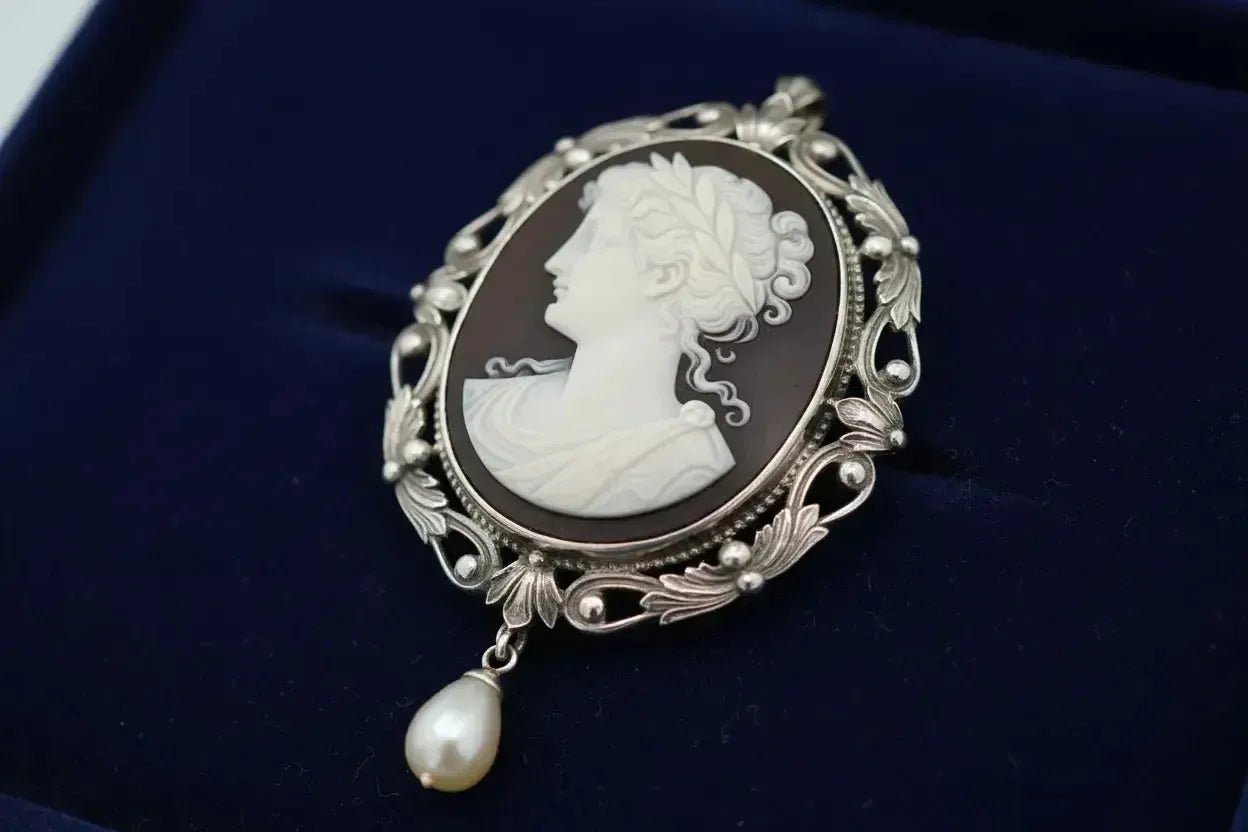
Cameos experienced extraordinary popularity. These engraved stones depicting antique profiles were set in 925 silver mountings and worn as brooches, pendants, or rings.
Complete parures (necklace, earrings, bracelet, ring) were matched, following a unique theme: Egyptian motifs, palmettes, pearls, or garnets.
Men's Jewelry of the Empire Era
Men of the Empire wore discreet but significant jewelry. 925 silver signet rings engraved with coats of arms or imperial symbols were particularly prized.
Cufflinks, tie pins, and watch chains in sterling silver, often adorned with bees or eagles, completed the attire of officers and dignitaries of the Empire.
Vindicta Empire 925 Silver Jewelry Collection
Our collection is inspired by this prosperous period to create 925 silver jewelry with a refined neoclassical style. Napoleonic bees, laurel wreaths, and antique motifs adorn rings, pendants, and bracelets, offering pieces that are both historical and contemporary.
Rings inspired by antique cameos, pendants in the shape of imperial bees, and bracelets with palmette motifs perpetuate the timeless elegance of the Empire style.
Contemporary Symbolism of the Empire Style
Today, wearing an Empire-style piece of jewelry means asserting values of ambition, determination, and success. Napoleonic symbols transcend their historical context to represent:
- Ambition: ability to surpass oneself and achieve one's goals
- Leadership: charisma and ability to inspire others
- Victory: perseverance in the face of obstacles
- Classical elegance: timeless refinement and tasteful sobriety
Solid 925 silver gives these jewels the nobility and durability that perfectly suit the Empire aesthetic, creating heritage pieces worthy of passing down through generations.
The Napoleonic Legacy in Jewelry
Napoleon's influence on French jewelry was considerable and lasting. The Empire style persisted long after the emperor's fall in 1815, influencing creations throughout the 19th century.
Major Parisian jewelry houses, founded or developed under the Empire (Chaumet, Mellerio), still draw on this aesthetic repertoire for their prestigious creations today.
Caring for Your Empire Style Jewelry
To preserve the beauty of neoclassical chasing and refined details, clean your Empire jewelry with a soft microfiber cloth. Raised motifs deserve special attention to maintain their fineness.
925 silver develops a noble patina that enhances the historical character of the piece. If you prefer a brilliant shine, use a specific silver product, avoiding chased areas to preserve contrasts.
✦ Vindicta — Solid 925 silver
The piece that makes the difference
Certified 925 silver · Free shipping from €69 · 10 years of excellence
Women's 925 Silver Rings →


%20marks%20a%20major%20turning%20point%20in%20the%20history%20of%20French%20jewelry.%20Napoleon%20Bonaparte,%20crowned%20Emperor%20of%20the%20Frenc...)