

925 Sterling Silver Care Guide: Tips and Advice
925 silver is a living metal: it will develop a patina and tarnish, but its shine can be fully restored with the right care. Here is a complete guide to maintaining your 925 silver jewelry and keeping it looking like new.
To understand why 925 silver is the benchmark metal in jewelry, read our article Why Choose 925 Silver Jewelry. And to find out if you can wear your jewelry in the shower, consult our guide 925 Silver and Water.
Why Does 925 Silver Tarnish?
925 silver contains 92.5% pure silver and 7.5% other metals (usually copper). It is this copper that reacts with oxygen, humidity, and sulfides present in the air and on the skin, causing tarnishing (a black or yellowish layer). This phenomenon is natural and reversible — it never means that the jewelry is of poor quality, quite the opposite: 999 silver (100% pure) would be too soft to be worked into jewelry; it is precisely the addition of copper that gives 925 silver its solidity.
Factors That Accelerate Tarnishing
- Humidity and perspiration
- Perfumes, creams, cosmetic products
- Chlorine (pool, household products)
- Sea air (salt)
- Contact with rubber
- Open-air storage
Daily Cleaning
After Each Wear
- Wipe with a soft microfiber cloth or a jewelry cloth
- Remove perspiration and cream residues
- Store in a case or a closed pouch
Weekly Cleaning
- Prepare a bowl of lukewarm water with a few drops of mild soap (Marseille soap)
- Soak the jewelry for 2-3 minutes
- Gently rub with a soft toothbrush
- Rinse with clear water
- Immediately dry with a soft cloth
- Allow to dry completely before storing
Treating Tarnish
Baking Soda Method (Light Tarnish)
- Mix baking soda + a few drops of water to form a paste
- Apply with a soft cloth in circular motions
- Rinse thoroughly
- Dry immediately
Aluminum Foil Method (Heavy Tarnish)
- Line a bowl with aluminum foil (shiny side up)
- Add hot water + 1 tablespoon of salt + 1 tablespoon of baking soda
- Submerge the jewelry for 5-10 minutes
- Rinse and dry
This reaction, called electrolytic reduction, works due to the ion exchange between aluminum and silver — sulfur migrates from the jewelry to the aluminum foil, which tarnishes instead of your jewelry. This is an effective method but should be reserved for jewelry without fragile stones, as prolonged immersion can damage some settings.
Specific Silver Products
- Anti-tarnish impregnated cloth
- Silver cleaning liquid (from a jeweler)
- Avoid abrasive products that scratch
Special Cases: Jewelry with Stones
Natural Stones
Natural stones require specific precautions:
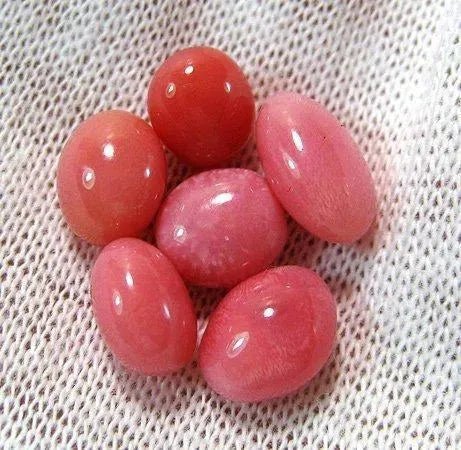
- Porous stones (turquoise, malachite, carnelian): avoid immersion, clean with a slightly damp cloth only
- Hard stones (onyx, quartz, lapis): tolerate gentle cleaning with soapy water
- Never use ultrasonic cleaners on natural stones: risk of cracks
Marcasite Jewelry
Marcasite requires special attention. Consult our complete marcasite and 925 silver care guide.
Storage: The Key to Longevity
- Closed case: Limits exposure to air and humidity
- Anti-tarnish bags: Absorb sulfides from the air
- Separate pieces: Avoid scratches between jewelry items
- Away from the bathroom: Humidity = enemy #1
- Away from perfumes: Vapors accelerate tarnishing
How Often Should You Clean Your Jewelry?
The ideal frequency depends on usage: a piece of jewelry worn daily (ring, signet ring) benefits from a quick wipe every evening and a more thorough cleaning once a week. A piece of jewelry worn occasionally can simply be cleaned before each outing, after a period of storage. In all cases, acting at the first signs of tarnishing avoids having to resort to more intensive, time-consuming, and potentially more abrasive cleaning methods for the piece.
What to Avoid
- ❌ Pool and jacuzzi (chlorine)
- ❌ Sea (salt)
- ❌ Daily showering (see our guide 925 Silver and Water)
- ❌ Sports (intense perspiration)
- ❌ Household cleaning products (chlorine, ammonia)
- ❌ Perfume directly on the jewelry ❌ Ultrasonic cleaning (except for jewelry without stones)
925 Silver vs. Plated Silver: The Maintenance Is Completely Different
Solid 925 silver can be cleaned and restored to its shine indefinitely. Plated silver loses its coating over time and cannot be restored in the same way. To understand all the differences, read our comparison 925 Silver, Gold Plated, and Steel — What Are the Differences?
Our Certified 925 Silver Jewelry
Every Vindicta piece of jewelry is certified solid 925 silver — a metal that can be cleaned, restored, and lasts for generations. Verify the authenticity of your piece on our authenticity page.
Discover our collections:
Complementary Guides
✦ Vindicta — Solid 925 silver
The piece that makes the difference
Certified 925 silver · Free shipping from €69 · 10 years of excellence
Natural Stone Jewellery →



Leave a comment
This site is protected by hCaptcha and the hCaptcha Privacy Policy and Terms of Service apply.