
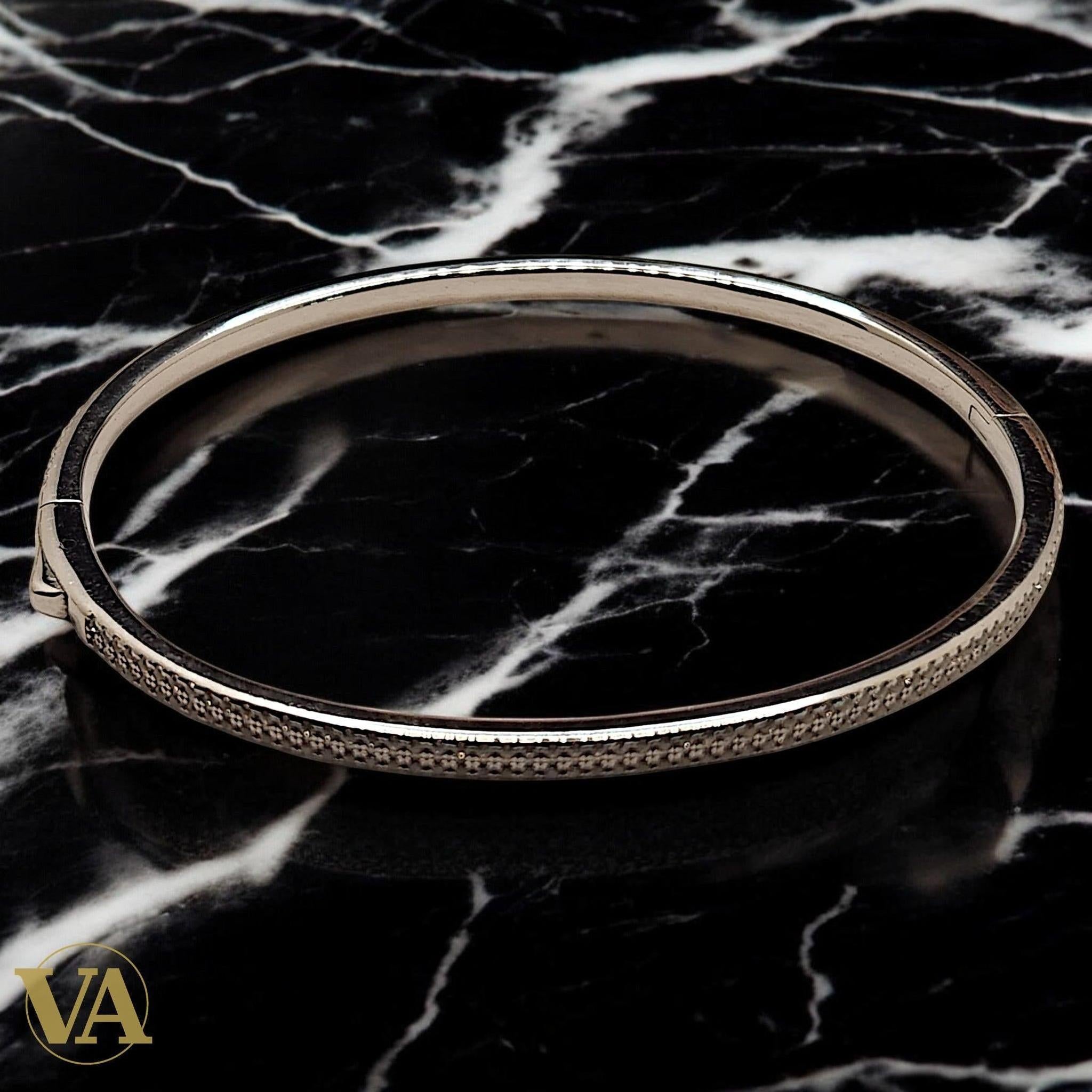
925 Silver and Sensitive Skin: Is It Really Hypoallergenic?
"Hypoallergenic 925 silver" - this phrase appears everywhere in jewelry, including on our own product pages. But what does it actually mean, and is it truly 100% guaranteed for sensitive skin? Here's an honest answer, without any marketing.
What "925 silver" really means
925 silver, also known as sterling silver, is not pure silver. It is an alloy composed of 92.5% fine silver and 7.5% other metals, most often copper. This addition is necessary because 100% pure silver is too soft to be worked into jewelry: it would deform and scratch at the slightest contact. Copper provides the necessary strength, without significantly altering the properties of silver.
Why is 925 silver considered hypoallergenic?
Most allergic reactions to jewelry are not caused by silver itself, but by nickel, a metal used as a cheap hardener in a large portion of costume jewelry and in some lower-quality silver alloys. Genuine 925 silver, composed of silver and copper, does not normally contain nickel — which is why it is much better tolerated than most costume jewelry by sensitive skin.
The term "hypoallergenic" literally means "less likely to cause an allergy," not "impossible to cause a reaction." This is an important distinction: 925 silver greatly reduces the risk of allergies compared to other metals, without completely eliminating it for everyone.
Who might still react to 925 silver?
Certain situations can explain a reaction, even with quality 925 silver:
- An allergy to copper, much rarer than a nickel allergy, but possible in some people.
- Poorly assayed 925 silver, from unscrupulous manufacturers who add nickel to reduce costs without mentioning it — a real risk with uncertified jewelry or jewelry of dubious origin.
- Mechanical irritation rather than a true allergy: rubbing, sweat accumulating under a too-tight ring, unrinsed soap or cream residue.
- A reaction to the components of the hallmark or rhodium plating on certain plated pieces, which have nothing to do with solid 925 silver itself.
How to check that a piece of jewelry is really 925 silver
The only reliable way to ensure that a piece of 925 silver jewelry does not contain hidden nickel is to check its hallmark — the official mark engraved on the metal that certifies its composition. In France, authentic 925 silver bears a recognized guarantee hallmark (Minerva's head for officially manufactured or imported jewelry). The absence of a hallmark, or a poorly legible hallmark, should raise concerns about the actual quality of the metal.
What to do in case of a skin reaction
If redness, itching, or irritation appears after wearing silver jewelry, the first thing to do is remove it and let the skin breathe for a few days. If the reaction persists or worsens, it is best to consult a healthcare professional to distinguish a true contact allergy from simple mechanical irritation, as the treatments differ. In the majority of cases, mild irritation disappears on its own once the jewelry is removed and does not necessarily mean that 925 silver must be permanently given up.
Our commitments to metal quality
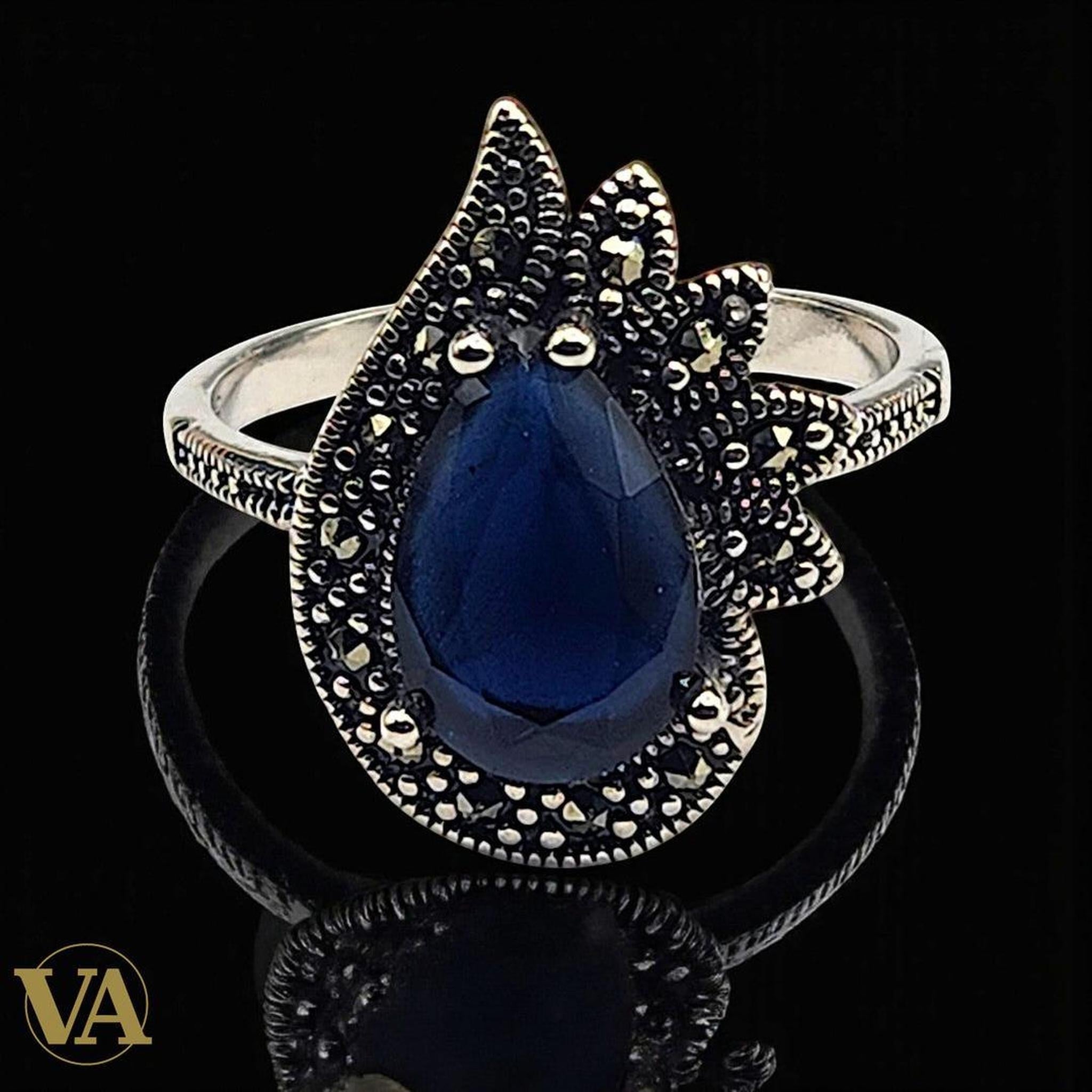
At Vindicta, every piece of jewelry is solid, hallmarked 925 silver, without added nickel. This quality requirement, combined with transparent composition, makes it a significantly safer choice than classic costume jewelry for sensitive skin. Find details of our approach on our Certificate of Authenticity page, and explore our catalog of 925 silver women's rings.
Good habits to limit any risk
A few simple habits further reduce the risk of irritation, even with quality 925 silver: removing jewelry before showering, swimming, or intense physical activity that promotes prolonged sweating under the metal, avoiding direct contact with perfumes and creams (apply them before putting on jewelry rather than after), and regularly cleaning pieces to prevent the accumulation of residue against the skin.
925 silver vs. surgical steel: which to choose for very reactive skin
For particularly reactive skin, 925 silver and surgical steel are among the most recommended metals, each with its advantages. Surgical steel is slightly more chemically inert and more resistant to shocks, but it offers a colder and less precious shine than silver. 925 silver, on the other hand, retains a more noble appearance and better perceived value, at the cost of slightly more careful maintenance against the natural tarnishing of the metal upon contact with air. The choice between the two therefore depends as much on skin sensitivity as on the desired use — resistant everyday jewelry, or a more precious piece to cherish.
In summary
Genuine 925 silver, without added nickel, remains one of the best-tolerated metals in jewelry — but "hypoallergenic" does not mean "without any risk for anyone." The true guarantee lies less in the metal itself than in the reliability of its composition, hence the importance of buying from sources that clearly certify the fineness of their pieces.
✦ Vindicta — Solid 925 silver
The piece that makes the difference
Certified 925 silver · Free shipping from €69 · 10 years of excellence
Natural Stone Jewellery →



Leave a comment
This site is protected by hCaptcha and the hCaptcha Privacy Policy and Terms of Service apply.