Latvia & Estonia: Baltic Silver Between Sakta Brooches and Hanseatic Heritage
On the eastern shore of the Baltic Sea, Latvia and Estonia share a long history of silver smithing forged by Hanseatic trade routes, the influence of the Teutonic Knights, and a peasant folklore that remained remarkably vibrant until the 20th century, despite centuries of successive foreign domination. From Latvian sakta brooches to Estonian wedding jewelry passed down through generations, Baltic silver tells a story of cultural resilience rarely highlighted outside the region.
Baltic peoples before the Teutonic conquest
Before the arrival of the Teutonic Knights in the 13th century, the Baltic and Finno-Ugric peoples of the region — Curonians, Semigallians, ancestors of the Estonians — already possessed sophisticated goldsmithing. Archaeological excavations in Courland have revealed graves of Curonian warriors containing massive bracelets, ornate pins, and silver bead necklaces, testifying to a rich material culture long before the forced Christianization of the region. This pre-Hanseatic period remains largely unknown outside Baltic archaeological circles, even though it forms the true foundation of regional goldsmithing.
The sakta, Latvia's emblematic brooch
The sakta — a round or sun-shaped brooch, often adorned with stones or colored glass — is the most identifiable piece of jewelry in traditional Latvian costume. Used since the Middle Ages to fasten wool coats, it has evolved into a national symbol in its own right, still worn today at major traditional song festivals that bring together tens of thousands of participants every five years in Riga. Each region of Latvia — Kurzeme, Vidzeme, Latgale — has developed its own variant of the sakta, with distinct solar or geometric motifs.
The Hanseatic legacy of Riga and Tallinn
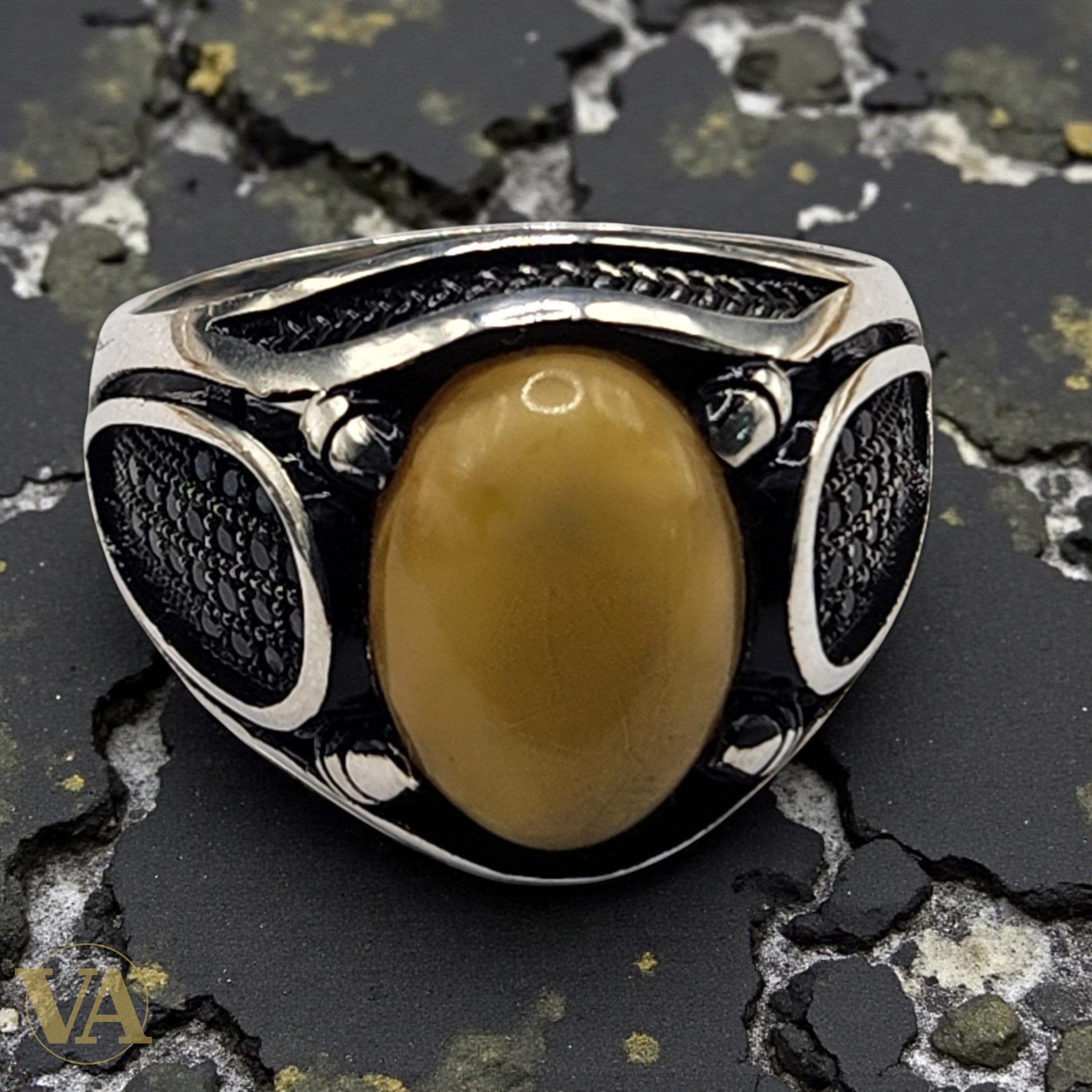
Active members of the Hanseatic League from the 13th to the 16th century, Riga and Tallinn hosted prosperous goldsmiths' guilds, trained in Northern European techniques and producing quality silverware for export throughout the Baltic. This period left a legacy of very refined urban goldsmithery pieces, with hallmarks carefully preserved in municipal archives, testifying to a tradition of silver quality control that was already very rigorous in medieval times. This demand for quality is reflected in our certified 925 silver rings, direct heirs to this Nordic precision.
Estonian wedding jewelry and the buckle belt
In Estonia, traditional wedding attire often included a wide leather belt adorned with a finely engraved silver buckle, passed down in the family for several generations. This buckle, sometimes accompanied by matching brooches and pendants, symbolized the union of the two families and was believed to protect the young wife. The Estonian islands of Saaremaa and Muhu developed particularly rich styles of wedding jewelry, with necklaces of sewn silver coins reminiscent, in their logic, of dowry adornments observed in other popular traditions of Eastern Europe.
The solar motif in Baltic goldsmithing
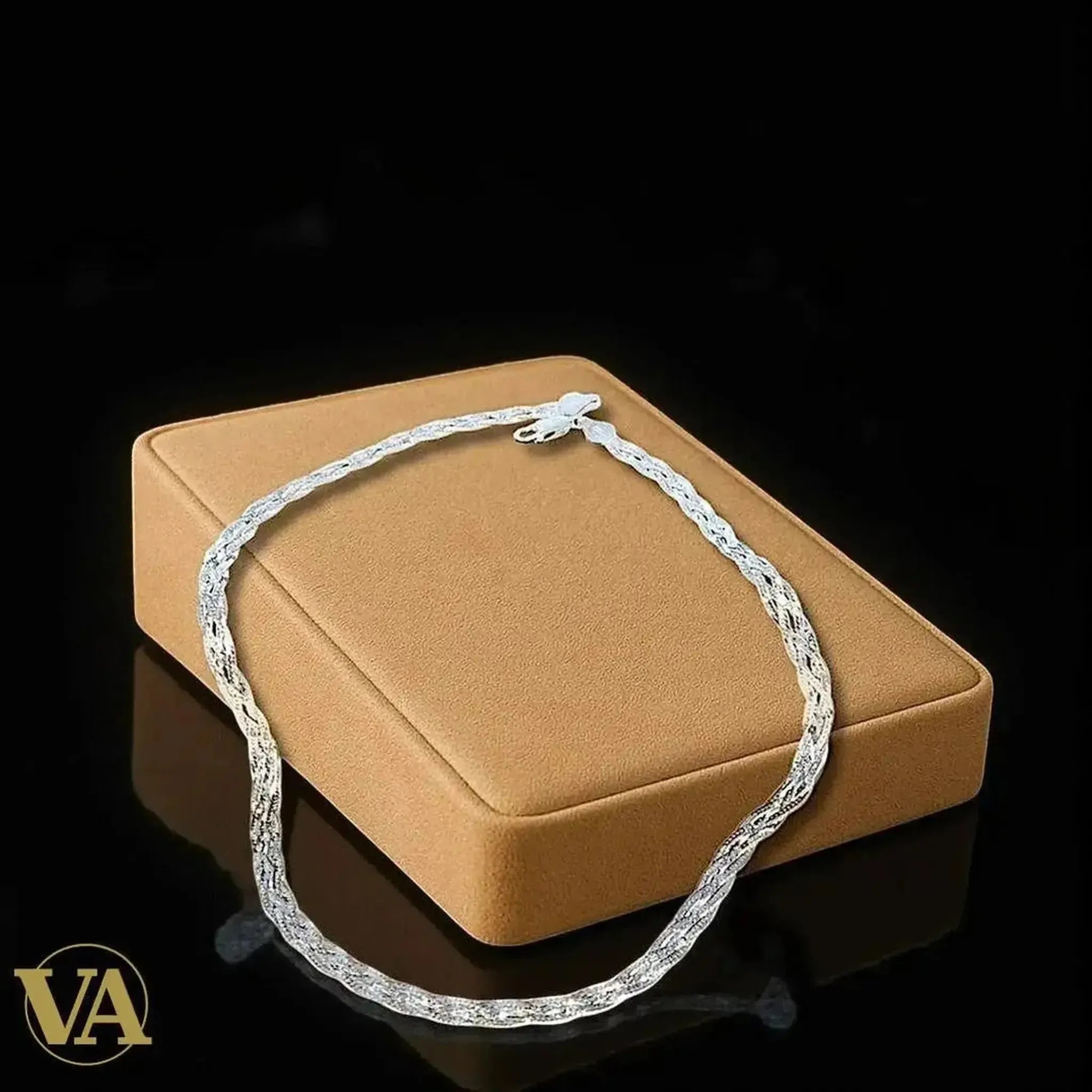
Before the late Christianization of the Baltic countries — Lithuania was not converted until the 14th century, one of the last pagan regions of Europe — the sun held a central place in Latvian and Estonian beliefs. This solar motif, often stylized as a cross or an eight-pointed star, continues to adorn rings, earrings, and silver pendants, worn as a symbol of protection and continuity with pre-Christian traditions. This radiating geometry can be found on our 925 silver necklaces with carved pendants, where the circle remains a central form of the Nordic decorative repertoire.
Baltic amber, natural companion to silver
It is impossible to mention Baltic goldsmithing without mentioning amber, this fossilized resin collected on the shores of the Baltic since antiquity. Mounted on silver, Baltic amber was both a precious ornament and a talisman supposed to bring luck and protection. Latvians and Estonians used it in brooches, necklaces, and rings, creating a warm contrast between the honey-yellow of the stone and the cold brilliance of the metal — an association that remains, even today, one of the most recognizable signatures of Baltic jewelry, highly sought after by European collectors.
The contemporary renewal of Baltic design
Since regaining independence in the 1990s, a new generation of Baltic jewelers has undertaken to reinterpret these ancestral motifs — sakta, solar stars, Hanseatic buckles — in a more refined vocabulary, close to the minimalist Scandinavian aesthetic that has made designers like Georg Jensen internationally successful. This encounter between folkloric heritage and geometric modernity is part of a broader movement to rediscover Baltic cultural roots, long muted by decades of foreign occupation in the 20th century, and which is now finding growing resonance with an international clientele sensitive to the authenticity of these regional narratives.
Wearing the Baltic heritage today
From the Latvian sakta to Estonian belt buckles, Baltic silver carries the memory of peoples who preserved their folklore through centuries of foreign domination. Combining a solar brooch with an amber pendant is enough to evoke this understated richness. To further explore Nordic and Baltic goldsmithing, our article on Baltic amber and our European ring size guide by country complete this journey through Northern Europe.
✦ Vindicta — Solid 925 silver
The piece that makes the difference
Certified 925 silver · Free shipping from €69 · 10 years of excellence
Discover our jewellery →