Istanbul's Grand Bazaar: 600 Years of Sterling Silver Jewelry
Since 1461, Istanbul's Grand Bazaar — Kapalıçarşı — has been the beating heart of global goldsmithing. With its 4,000 shops and labyrinthine alleys, it houses one of the oldest and densest concentrations of jewelry artisans in the world. Here, 925 silver is not a product — it's a language spoken for six centuries.
1461: The Birth of a Jewelry Empire
It was under the reign of Mehmed II, the conqueror of Constantinople, that the Grand Bazaar was born. From its foundation, it became the nerve center of Ottoman trade — and goldsmiths, the kuyumcular, held a prominent place. Silver flowed in from the Empire's mines: Anatolia, the Balkans, Potosí via trade routes. Artisans transformed it into ornaments fit for sultans.
The Bazaar was not just a market — it was a state institution. Goldsmiths were organized into strict guilds, the loncalar, which regulated techniques, prices, and quality. Every piece produced had to meet precise standards — the ancestor of the modern 925 hallmark.
The Goldsmiths' District: Kuyumcular Çarşısı
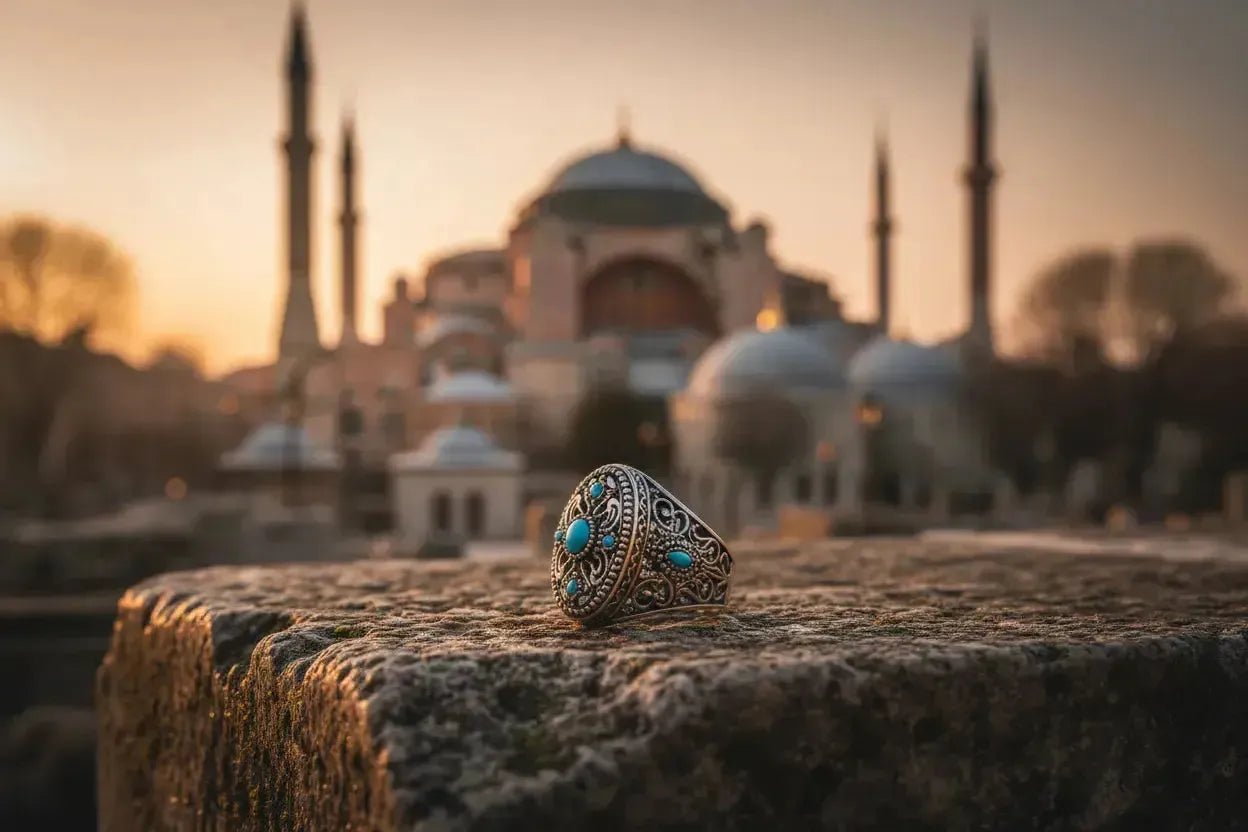
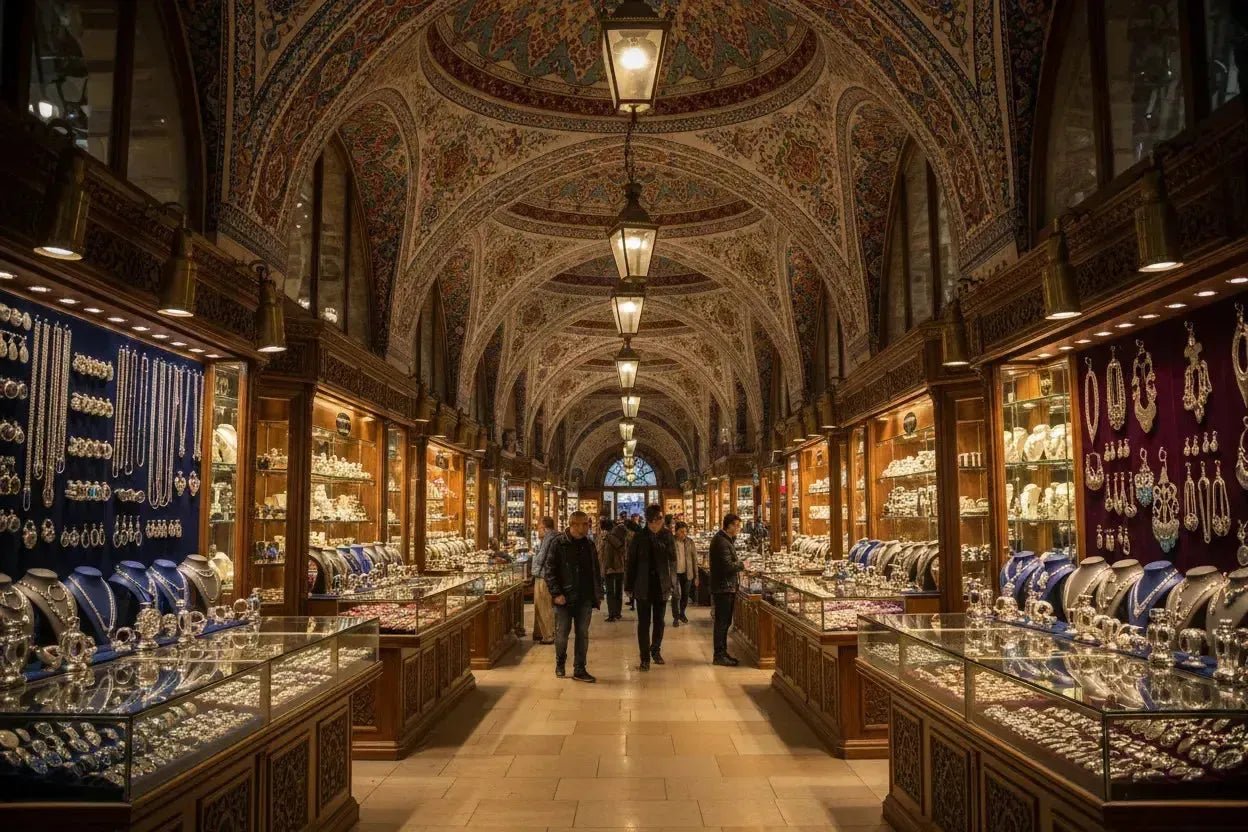
At the heart of the Grand Bazaar, the Kuyumcular Çarşısı — the jewelers' street — still concentrates hundreds of workshops specializing in 925 silver. One finds artisans who practice telkari — Ottoman filigree — a technique consisting of weaving silver threads as fine as hair to create extremely delicate patterns.
Others master savati, a technique of black enamel inlay in engraved silver, characteristic of the most refined Ottoman jewelry. These skills, passed down from father to son for generations, are now recognized by UNESCO as intangible cultural heritage.
From Empire to Today: Remarkable Continuity
What is striking about the Grand Bazaar is its continuity. Where other artisanal traditions have disappeared under the pressure of industrialization, Istanbul's goldsmiths have adapted without betraying their roots. Modern tools stand alongside ancestral techniques. Digital commands assist the hands of artisans — without ever replacing them.
Today, the Grand Bazaar welcomes 250,000 to 400,000 visitors daily. Among them are professional buyers from Europe, the Middle East, and Asia, who source directly from workshops for their 925 silver jewelry collections.
Vindicta and the Legacy of the Grand Bazaar
At Vindicta, our selection is part of this lineage. The pieces we choose bear the imprint of this tradition — geometric Ottoman motifs, precise settings, certified 925 silver. Every piece of jewelry you wear is an extension of expertise born in the alleys of the Kapalıçarşı.
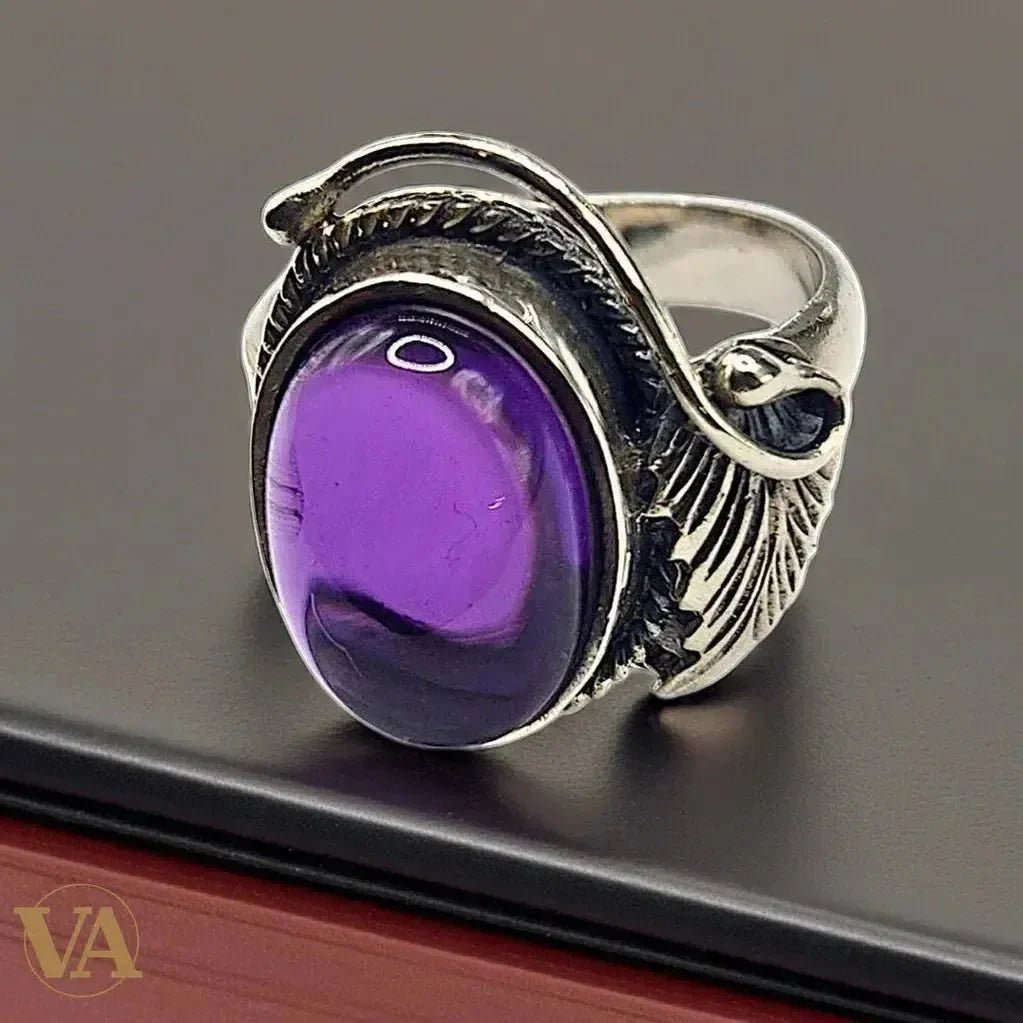
Discover our collection of 925 silver oriental jewelry, our men's signet rings, and our women's 925 silver rings — selected for their authenticity and character.
Conclusion
Six centuries after its foundation, the Grand Bazaar of Istanbul remains what it has always been: the world temple of silver goldsmithing. A place where time seems suspended, where each piece tells a millenary story. Wearing a 925 silver piece of Ottoman-inspired jewelry means wearing a fragment of this living history.
The Bedesten, Fortified Heart of the Bazaar
At the center of the Grand Bazaar is the Bedesten, a vaulted stone building constructed in 1461 by order of Mehmed II — the oldest and most secure part of the complex. It was there that the most valuable objects were historically kept: precious jewels, rare manuscripts, ornate weapons. Locked every evening by massive doors, the Bedesten functioned as a real urban strongbox, constantly guarded. Even today, this section of the bazaar concentrates the oldest shops, some run by the same family for six or seven generations — a rare artisanal continuity in a city that has nevertheless experienced considerable political upheavals.
Shop-to-Shop Transmission
Unlike a department store, the Grand Bazaar is not bought or sold as a whole: each shop belongs to a lineage of artisans or merchants who transmit it, sometimes since the Ottoman era. Becoming a goldsmith within the bazaar traditionally followed a precise path — an apprentice with a master for several years, before hoping one day to take over or open their own shop. This corporate organization, inherited directly from the Ottoman guilds, explains the remarkable homogeneity of quality still found today in the bazaar's silver workshops, despite the apparent diversity of the thousands of shops that compose it.
Resisting Earthquakes and Fires
The Grand Bazaar has survived several major fires and destructive earthquakes over its six centuries of existence, notably in 1546, 1652, and 1894. Each reconstruction strengthened the structure without ever betraying its original spirit — stone vaults gradually replacing wooden roofs more vulnerable to fire. This architectural resilience reflects, on the scale of the building, the same resilience found in the families of goldsmiths who work there: weathering crises without breaking the continuity of know-how, generation after generation, in a place that remains, even today, one of the most visited covered markets in the world.
✦ Vindicta — Solid 925 silver
The piece that makes the difference
Certified 925 silver · Free shipping from €69 · 10 years of excellence
Oriental 925 Silver Jewellery →